

Archive for November 2024
Contaminated Stormwater
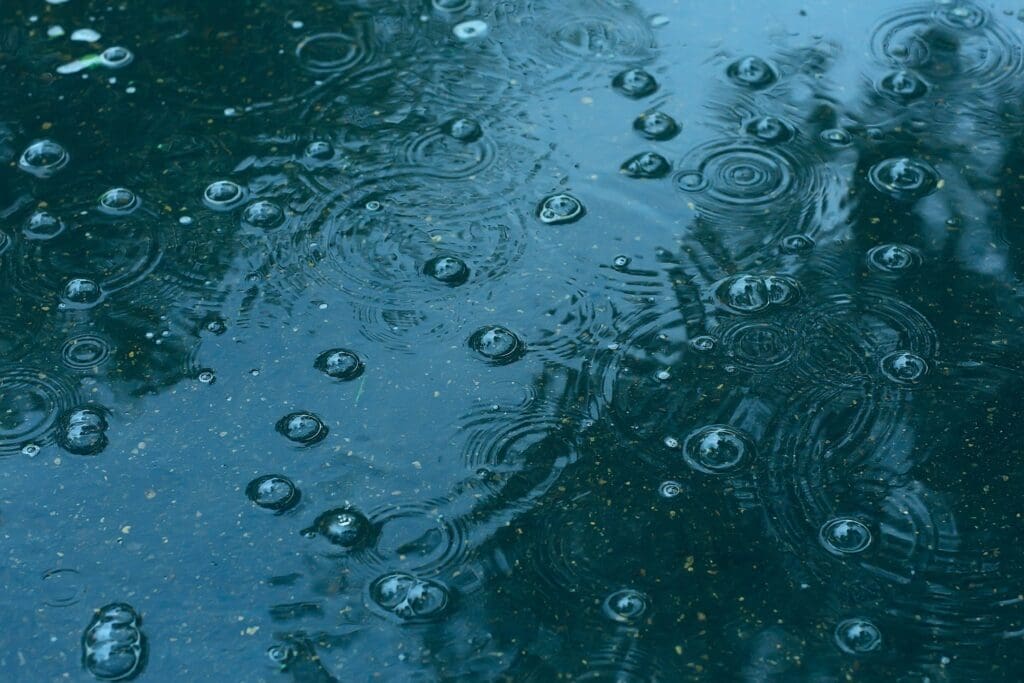
Clean water supply is critical for our overall health and sustainability. Most of our sources of fresh water is replenished by rainfall. Stormwater, often laden with pollutants and contaminants, poses a significant threat to our clean water supply. Once it hits the ground, this tainted precipitation can infiltrate our waterways, soil, and aquifers, jeopardizing the…
Read MoreReduce Failing BMP’s
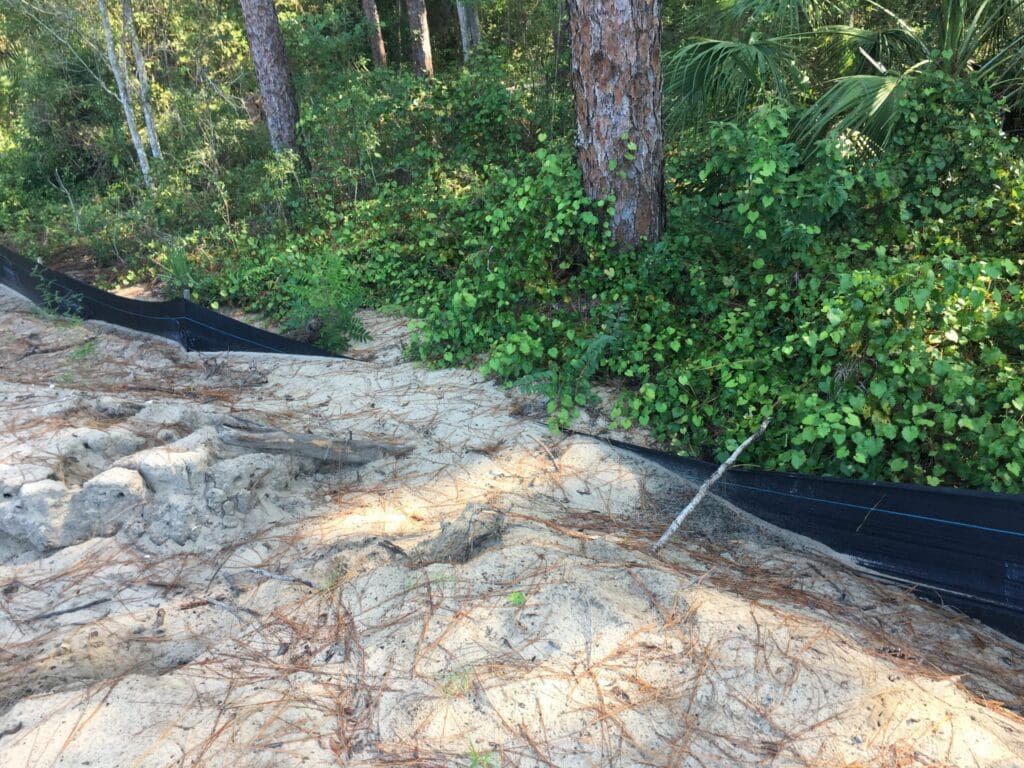
During the peak of a construction project, the increased presence of machinery, equipment, and activities can significantly heighten the risk of contaminants leaving the site. A construction site operator must operate at their optimum level of performance during this time of construction. Their role is constantly revolving around managing and maintaining work schedules to stay…
Read MoreThree’s Company
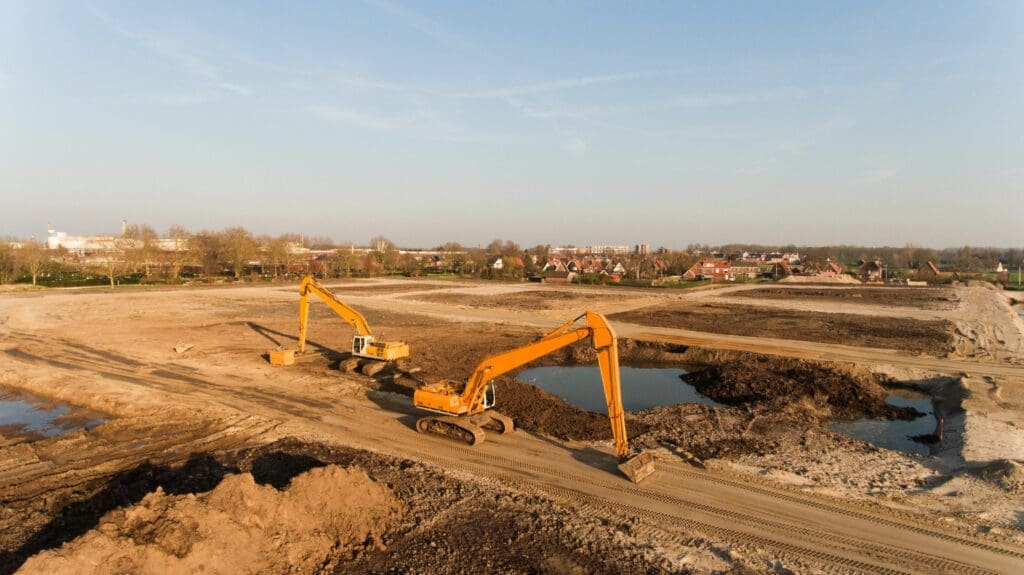
Land development reduces soil infiltration capacity and diminishes the ability to naturally absorb rainwater. While clearing land for a new project, most of the topsoil and vegitation are removed to prepare the land for construction. In doing so, this removes the source of controlling erosion and sediment from taking place during a heavy rainstorm. A…
Read MoreCautiousness Pays Off
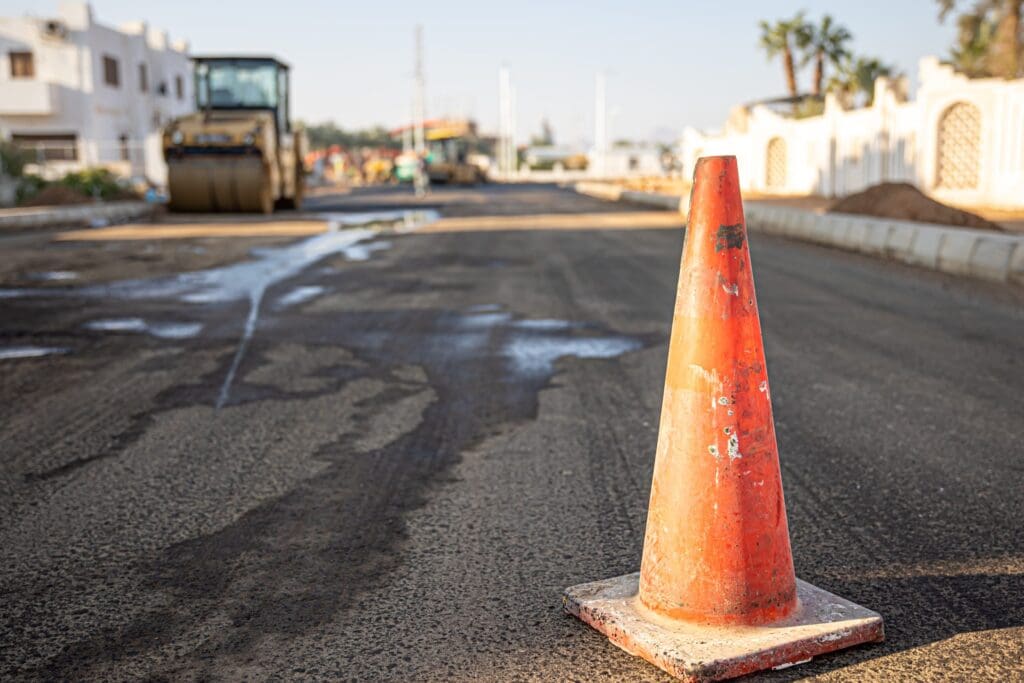
Construction projects must take precautions to protect local bodies of water such as lakes, rivers, streams and sensitive wetlands from erosion and sediment caused by stormwater runoff. The Environmental Protection Agency (EPA) strongly considers sediment as the most common pollutant in rivers, streams, lakes, and reservoirs. Identifying sediment as the most common pollutant affecting our…
Read More