
What are Best Management Practices?
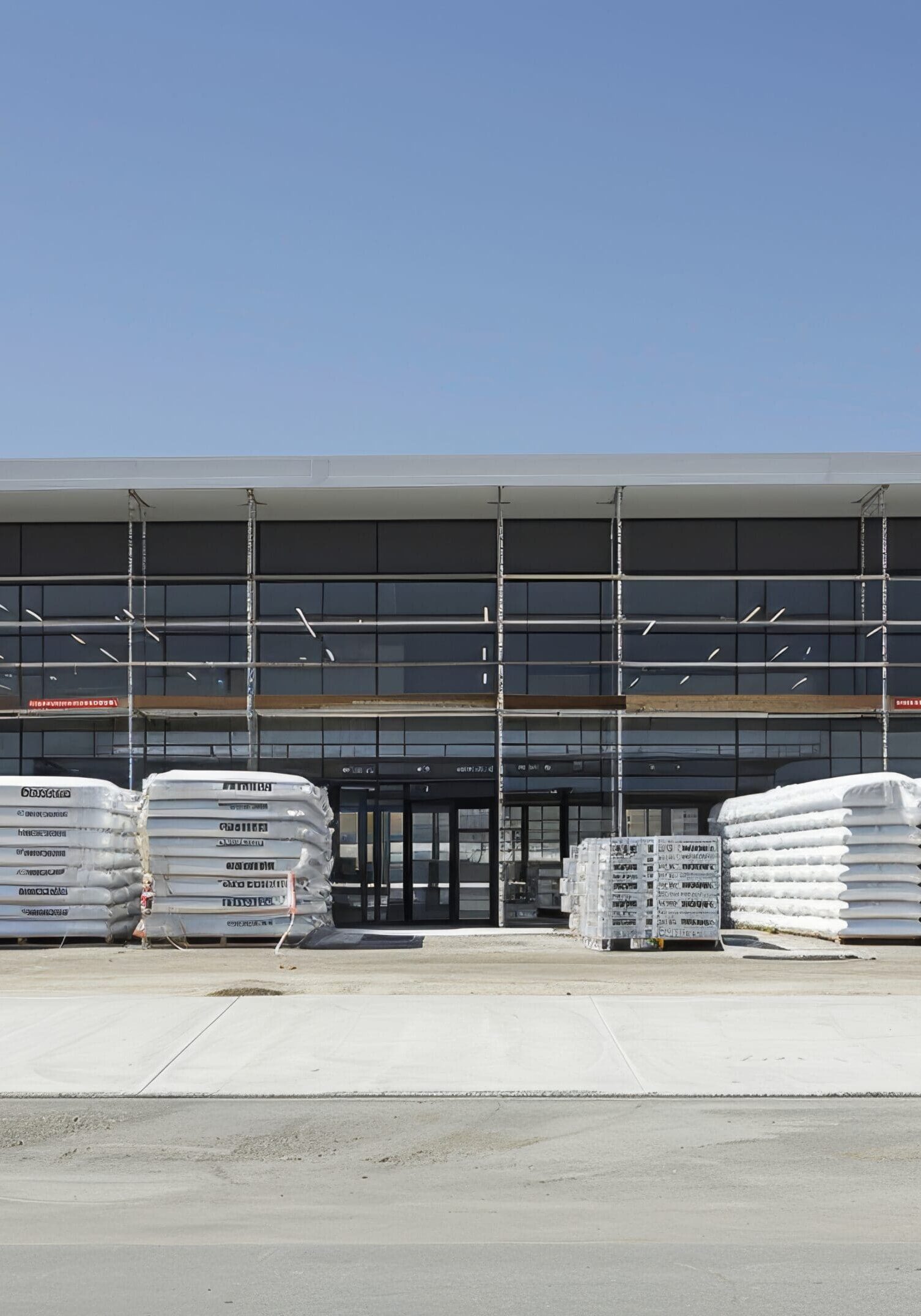
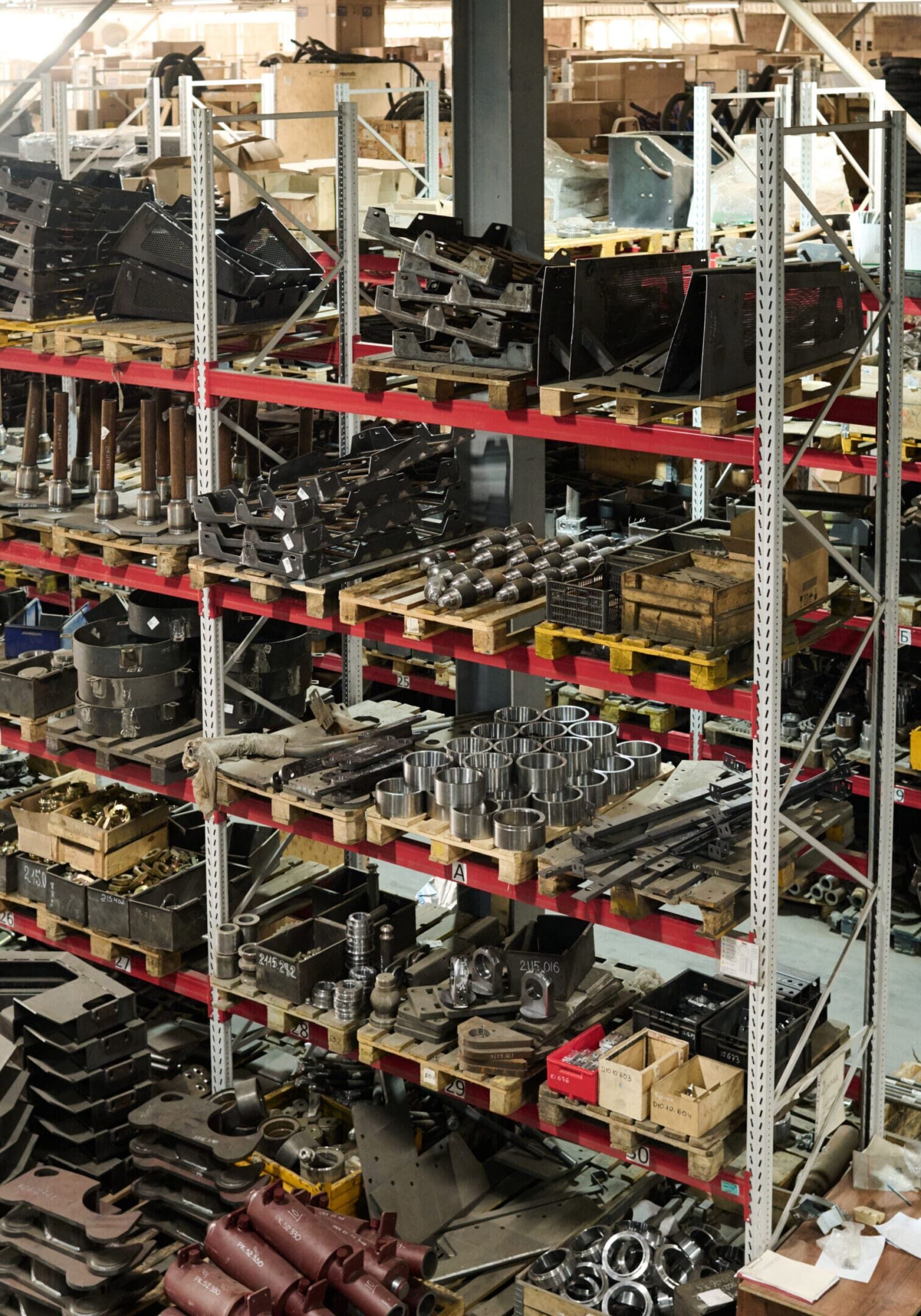
Effective stormwater management for both construction and industrial sites relies on a clear, site-specific SWPPP that defines and implements the right Best Management Practices (BMPs) to prevent pollutants from leaving the site.
These BMPs include structural controls that physically manage runoff and non-structural practices like inspections, training, and good housekeeping that ensure those controls work as intended.
Whether it is sediment from exposed soils during construction or contaminants like oil and chemicals from industrial operations, stormwater can quickly carry pollutants into nearby waterways, often without treatment.
By combining proper planning, active management, and consistent execution, BMPs serve as a critical line of defense to reduce risk, maintain compliance, and protect water quality.


Example of Construction BMPs
These BMPs represent core controls that can be applied across most construction sites to manage erosion, sediment, and stormwater runoff. Sites with high-risk conditions, steep slopes, or large disturbed areas may require more tailored or robust BMPs to ensure full regulatory compliance and protect water quality.
Sediment Basin (or Sediment Trap)
A temporary basin designed to capture and hold runoff, allowing sediment to settle out before water is discharged off-site—especially critical on larger disturbed areas.
Check Dams
Small, temporary barriers (often rock, wattles, or sandbags) placed across drainage paths or swales to slow water velocity and reduce erosion while promoting sediment deposition.
Erosion Control Blankets / Mats
Biodegradable or synthetic coverings installed on slopes or disturbed soils to stabilize the surface, protect against rainfall impact, and support vegetation establishment.
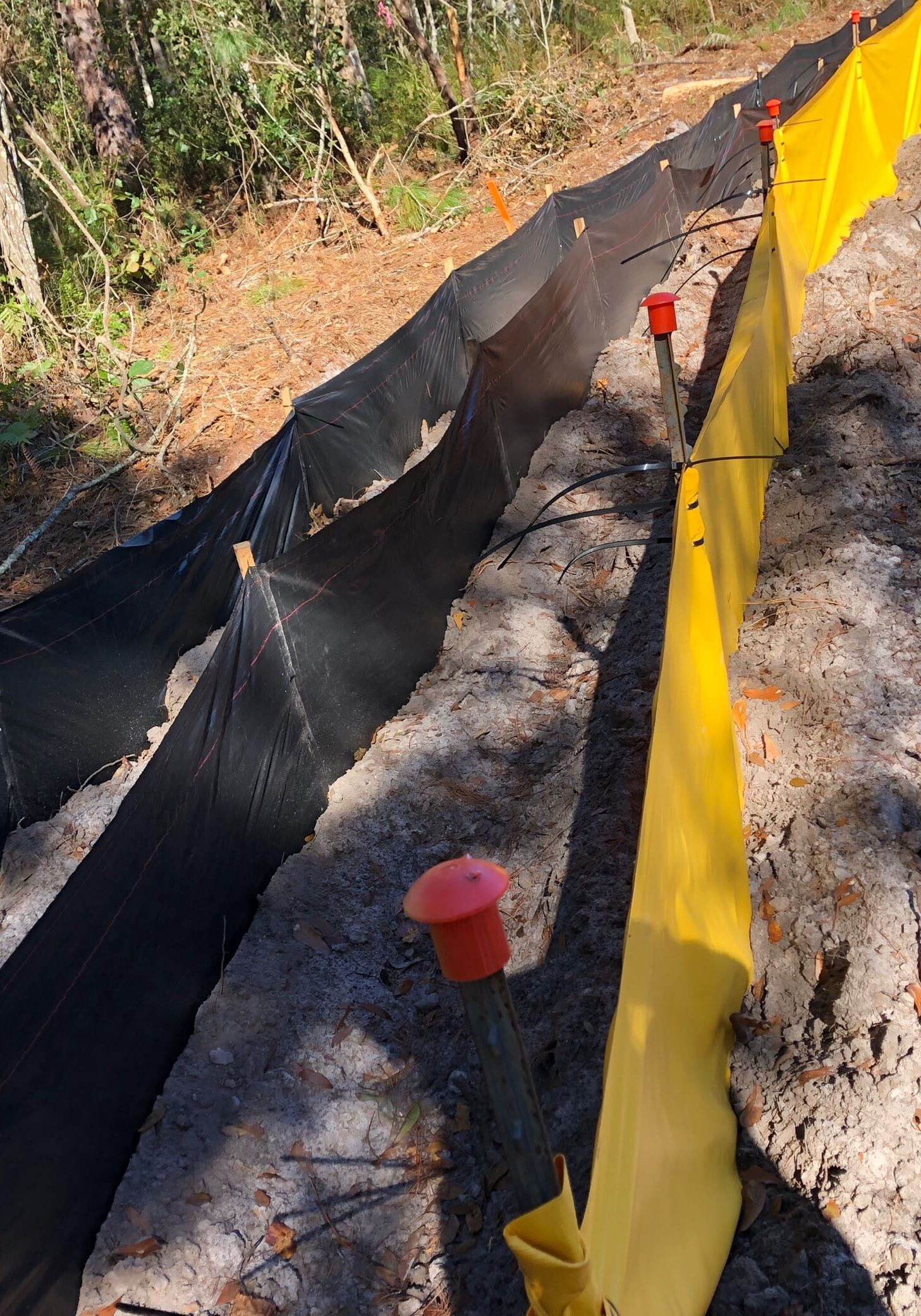
Silt Fencing
A temporary perimeter control installed along disturbed areas to intercept sediment-laden runoff, allowing soil to settle and preventing it from leaving the construction site.
Inlet Protection
A control measure placed at storm drain inlets to capture sediment and debris before runoff enters the stormwater system, helping protect downstream waterways.
Diversion Dikes / Berms
Constructed ridges or channels that redirect stormwater away from disturbed areas or toward controlled discharge points.
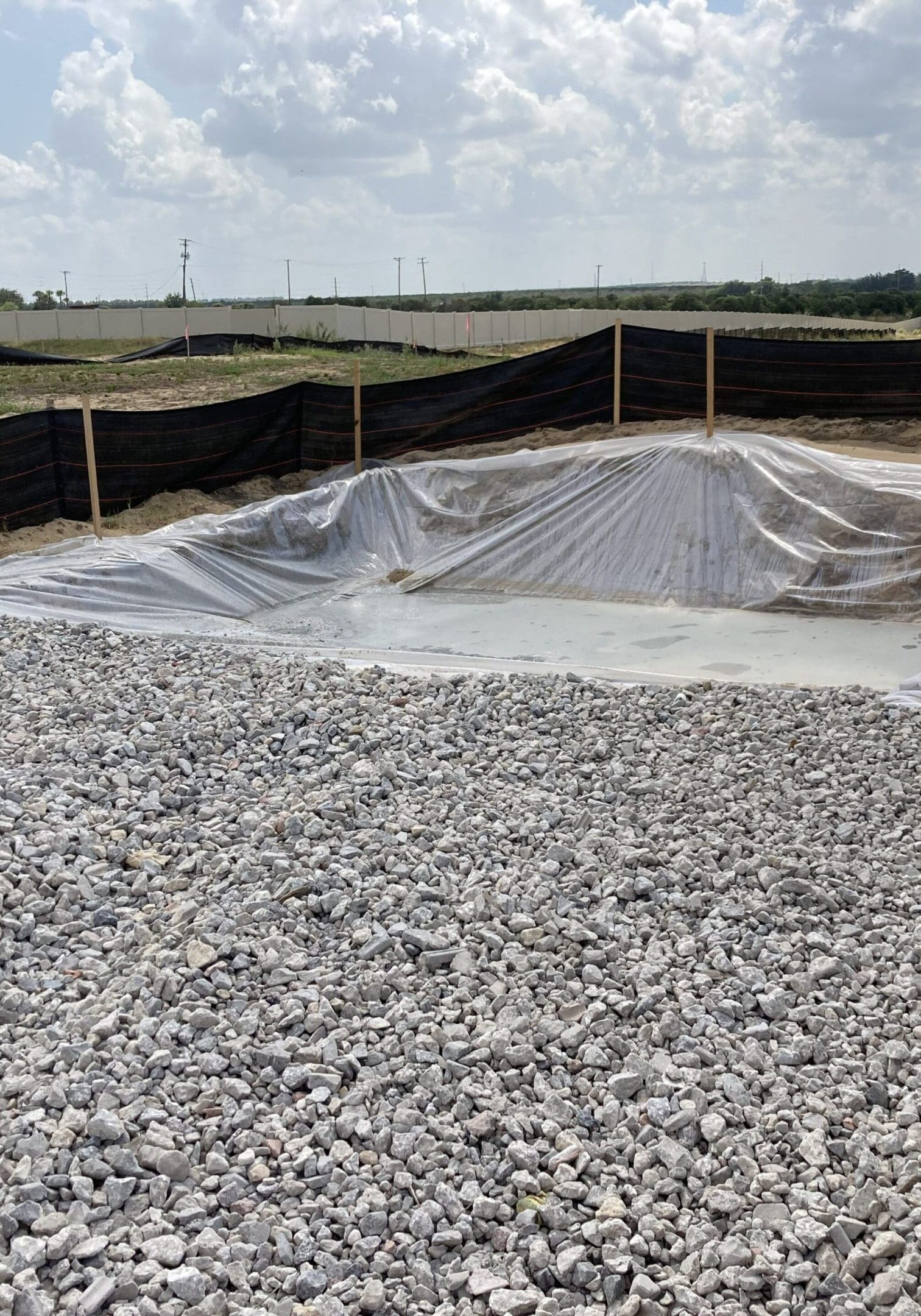
Concrete Washout Area
A designated, contained area for washing out concrete trucks and equipment, preventing highly alkaline wastewater from contaminating soils and waterways.
Temporary Swales or Channels
Shallow, stabilized conveyance systems that direct stormwater flow across a site while minimizing erosion.
Dust Control Measures (Watering / Soil Binders)
While often considered non-structural, physical application systems (like spray bars or stabilized surfaces) act as BMPs to prevent airborne sediment from leaving the site.
Dewatering Devices (Filter Bags / Sediment Tanks)
Used when removing accumulated water from excavations or basins, filtering sediment before discharge.
Example of Industrial BMPs
These BMPs represent a core set of controls that can be applied across most industrial operations to reduce stormwater risks. Some high-risk facilities, like auto recycling yards, may require more tailored or robust BMPs to ensure full compliance and environmental protection.
Training and Awareness
Employee training on BMPs, spill response, and prohibited discharges
Clear signage at drains, outfalls, and operational areas
Planning and Compliance
Maintain a site-specific SWPPP
Document inspections, monitoring, and sampling
Inspections and Maintenance
Routine inspections and corrective actions
Preventative maintenance to address leaks and failures
Operations and Housekeeping
Proper material handling, storage, and waste management
Designated areas for fueling, loading, and maintenance
Minimize exposure of materials to stormwater
Spill Prevention and Accountability
Spill prevention and response procedures with accessible kits
Assigned personnel responsible for BMP implementation
Storage and Cover
Store materials under cover or use protective tarps
Containment
Secondary containment such as berms, curbing, and drip pans
Drain Protection
Inlet covers, filters, and perimeter controls
Runoff Control
Berms, grading, and shutoff valves to direct or isolate flow
Treatment Systems
Oil-water separators, detention, or filtration systems
Wash and Tracking Controls
Contained wash areas and stabilized surfaces to reduce tracking