
Archive for 2023
Managing the SWPPP

A Stormwater Pollution Prevention Plan, or SWPPP, provides an on-site reference to help reduce pollution impacts from construction activities. Having a SWPPP clearly documented helps avoid fines in case a county or state inspector visits the site and begins inspecting the various pollution prevention practices and stormwater management systems currently in place. A SWPPP is a…
Read MoreA System to Channel Stormwater
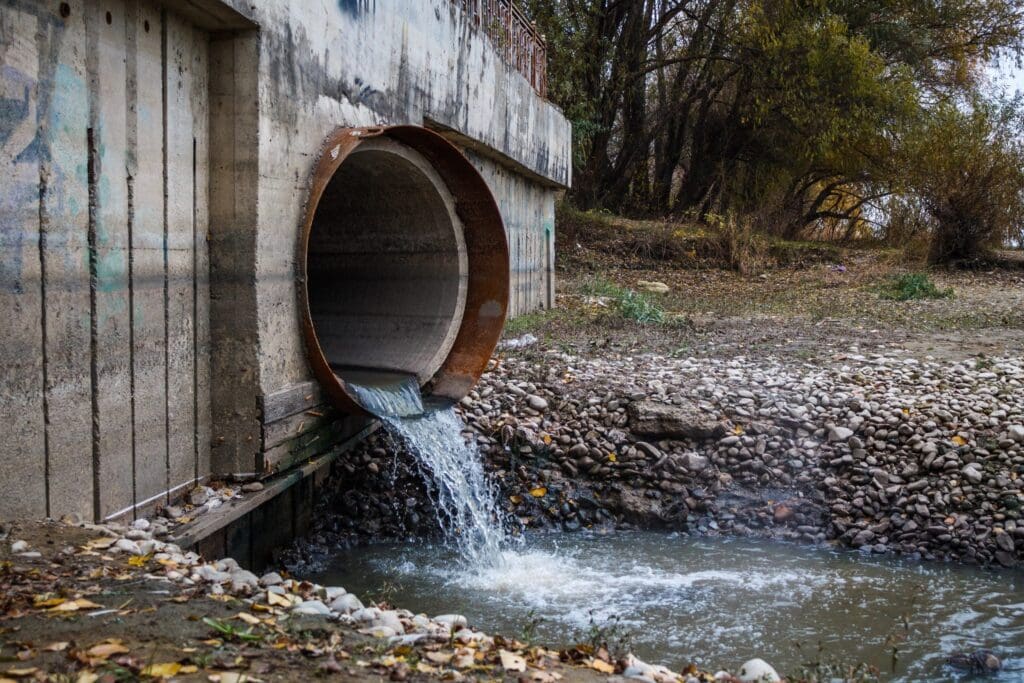
Stormwater needs a dedicated system to allow it to properly flow in the direction of the greatest and most positive impact on the environment. Long ago, it was quite common to simply allow the rain and stormwater to run off from the streets directly into the local sewer system. The primary challenge with this strategy…
Read MoreDiverting Stormwater

Construction activities increase the ability of soil to erode once vegetation and the topsoil eventually becomes removed. Once this takes place, there will be a high degree of concern for various erosion processes to begin to take place. A diversion is the best management practice a construction site can implement to minimize the risk. Stormwater…
Read MoreStress on our Water Supply

Florida, being a beautiful state with a warm climate year-round, attracts over 300,000 new residents each year. With such a fast-growing population, it dramatically puts a huge strain on the water supply and the necessity for all of us to conserve. Not only is it critical to conserve our aquifers and fresh water supplies, but…
Read MoreRisk Reducing BMPs
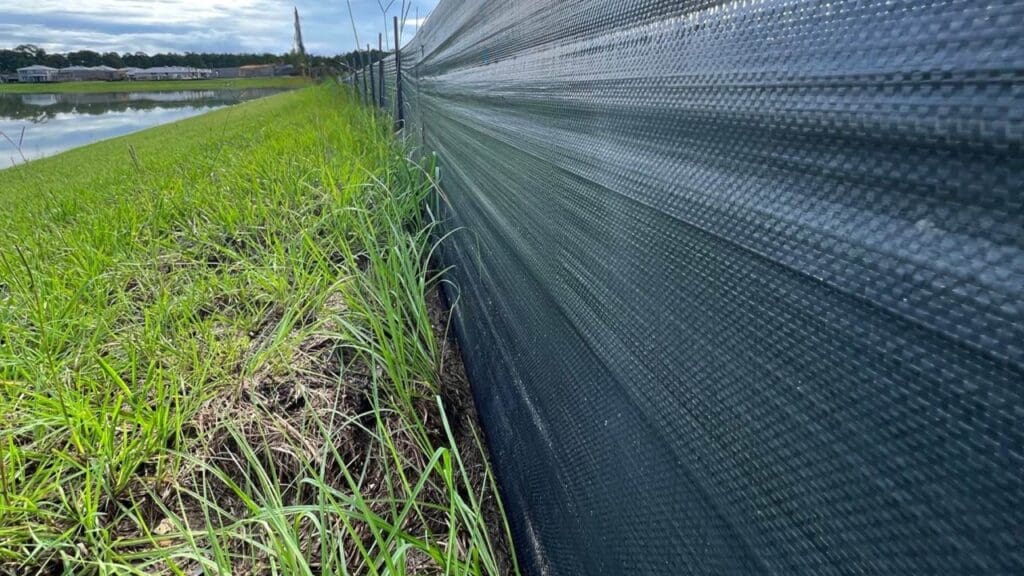
Early in the process of starting a project, contractors should review where are there specific water bodies in the area. Secondly, determine the areas where soil erosion may occur when dirt is exposed to strong winds, ample rainfall, and then velocity of potential fast-moving water. Land clearance will dramatically increase the susceptibility of soil to…
Read MoreSwales Effectiveness
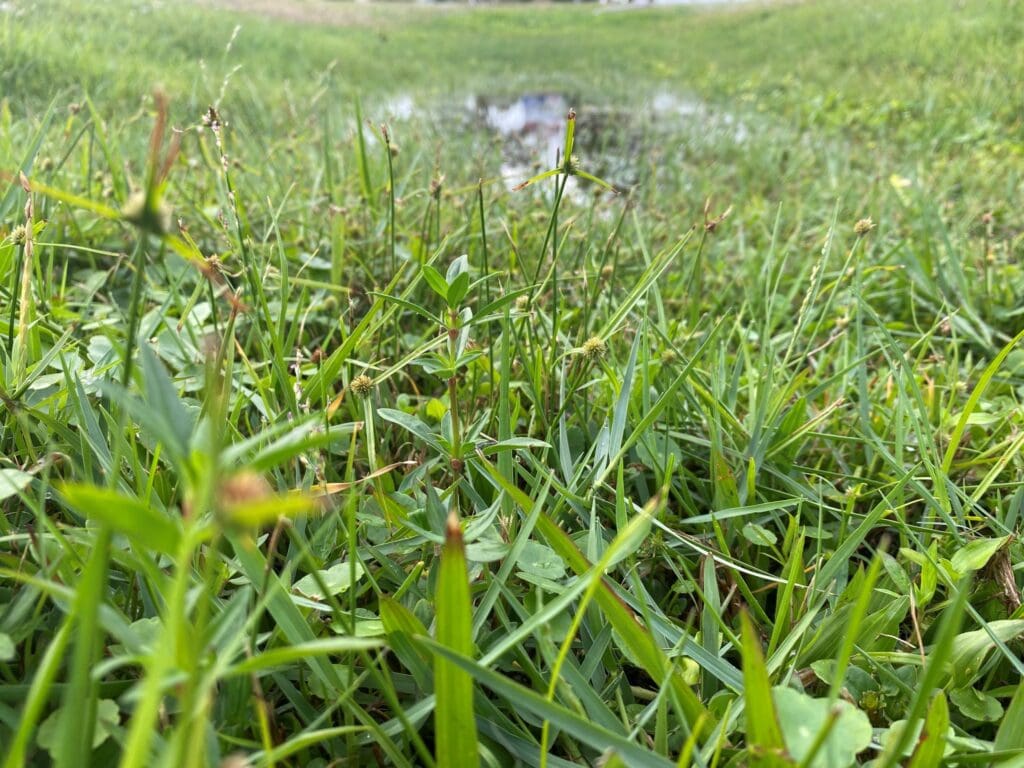
One of the most common issues on a construction site is erosion running onto streets and potentially into local nearby water bodies. Construction sites must be on alert and prepare for stormwater runoff at all times. The site must maintain effective best management practices to control and prevent sediment from erosion and various contaminants from…
Read MoreOur Warming Planet

Climatologists state that the increase of heavy, intense thunderstorms is part of a changing weather pattern due to a warming planet. The statistics also state that more rainfall is expected due to the warmer atmosphere that will accelerate evaporation of our lakes and oceans. Therefore, the more evaporation, the more precipitation from thunderstorms that is…
Read MoreFlorida’s Changing Weather Patterns

The hydrologic cycle, also known as the “water cycle,†is when rain falls to the ground, and then naturally soaks into the soil replenishing ground water supplies. Then, the water evaporates from plant leaves through the mechanism of transpiration. As the steam rises in the atmosphere, it will cool, condense, and then return to the…
Read MoreSpooky Storm Drains

The only thing that should enter a storm drain is natural and uncontaminated stormwater runoff. Storm drains, also known as storm sewer systems, are designed to collect and divert surface rainwater runoff to prevent flooding and erosion. What you can find in a storm drain can be quite creepy. Throughout the year, storm drains can…
Read MoreThe SWPPP

In the stormwater compliance business, various tools and technologies are used to manage and maintain stormwater systems and ensure compliance with environmental regulations. The primary reason for stormwater management is to mitigate the adverse environmental impacts associated with stormwater runoff from a construction site. Stormwater management is crucial for many reasons. The most critical step…
Read More