

Archive for 2024
Happy Holiday

During the Holidays, it is the time to reflect, connect, and especially disconnect. You might be wondering what these words may signify to describe the grandness of this time of the year. The holidays bring celebration, and feelings of encouragement and joy. This time of year is often marked by gatherings with family and friends,…
Read MoreRetain the Soil

When it comes to sediment control, silt fence is a major factor when trying to retain soil on site. The purpose of silt fence is to retain sediment and control erosion. Silt fence is a formidable Best Management Practice (BMP) for sediment control during construction. When the soil is disturbed during construction activities, it is…
Read MoreIndustrial BMPs

During industrial activities, stormwater can contact manufacturing materials, equipment, and various hazardous chemicals. Pollutants like oil, grease, metals, paints, and other contaminants can make their way through stormwater runoff and into storm drains. Stormwater entering storm drains and outfalls remain untreated as it makes its way back to rivers, streams, and lakes. Many people believe…
Read MoreDust is in the air

On a construction site, dust is more than just a nuisance; it is also a pollutant. It can cause short and long-term respiratory problems if you’re not too careful. Dust is so light, and it can travel through the air and into our waterways. Just like wastewater, it contains sediments from lumber, concrete, and so…
Read MoreContaminated Stormwater

Clean water supply is critical for our overall health and sustainability. Most of our sources of fresh water is replenished by rainfall. Stormwater, often laden with pollutants and contaminants, poses a significant threat to our clean water supply. Once it hits the ground, this tainted precipitation can infiltrate our waterways, soil, and aquifers, jeopardizing the…
Read MoreReduce Failing BMP’s
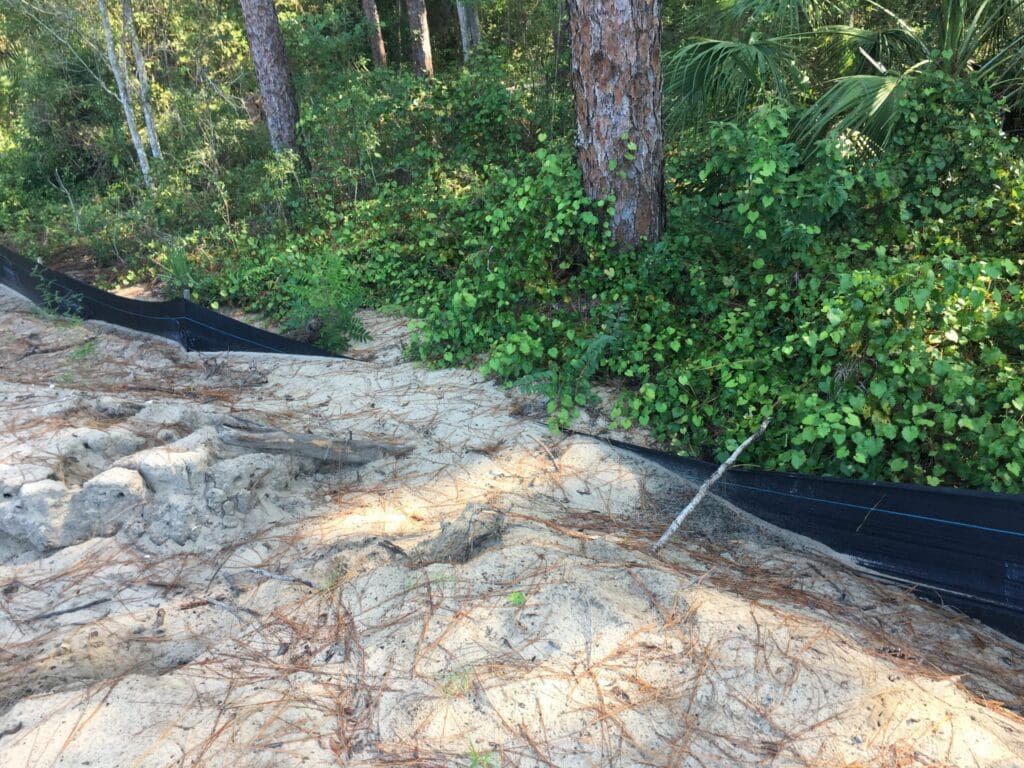
During the peak of a construction project, the increased presence of machinery, equipment, and activities can significantly heighten the risk of contaminants leaving the site. A construction site operator must operate at their optimum level of performance during this time of construction. Their role is constantly revolving around managing and maintaining work schedules to stay…
Read MoreThree’s Company
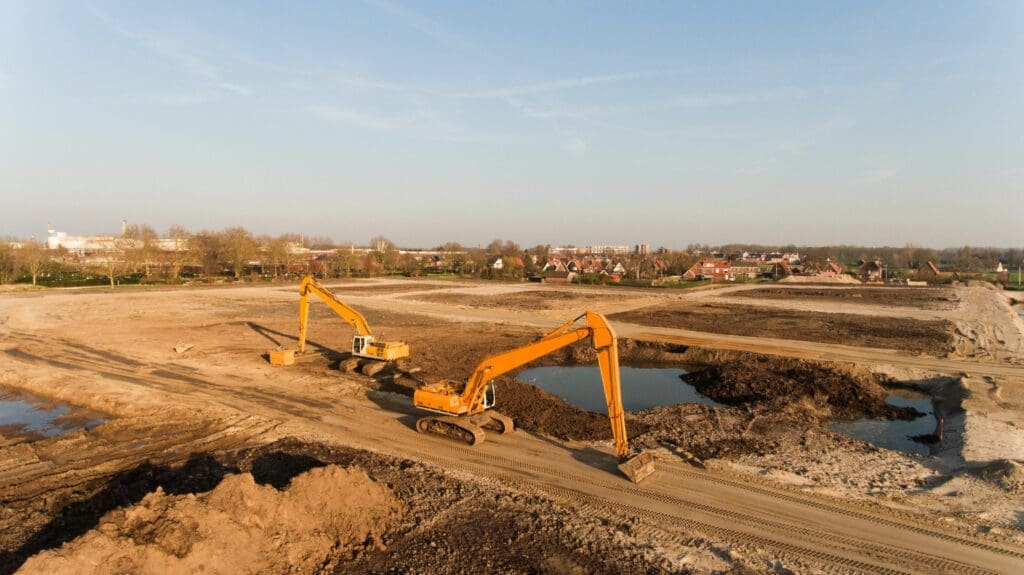
Land development reduces soil infiltration capacity and diminishes the ability to naturally absorb rainwater. While clearing land for a new project, most of the topsoil and vegitation are removed to prepare the land for construction. In doing so, this removes the source of controlling erosion and sediment from taking place during a heavy rainstorm. A…
Read MoreCautiousness Pays Off
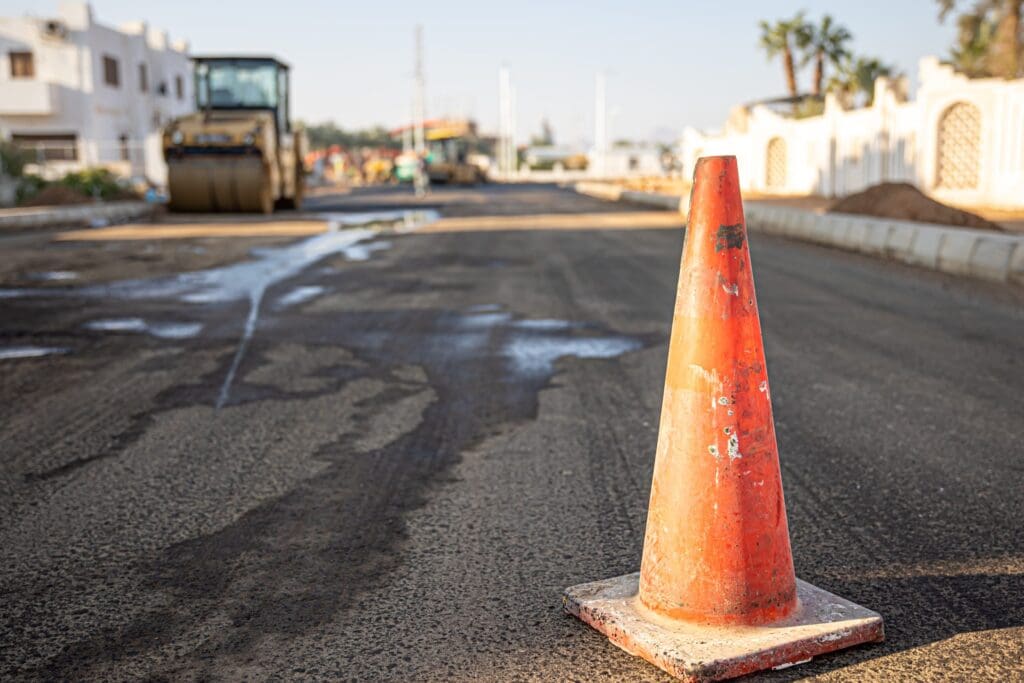
Construction projects must take precautions to protect local bodies of water such as lakes, rivers, streams and sensitive wetlands from erosion and sediment caused by stormwater runoff. The Environmental Protection Agency (EPA) strongly considers sediment as the most common pollutant in rivers, streams, lakes, and reservoirs. Identifying sediment as the most common pollutant affecting our…
Read MoreExecute an Inspection Plan

Construction site operators must comply with the federal National Pollutant Discharge Elimination (NPDES) stormwater regulations, which are implemented by the state of Florida Department of Environmental Protection (FCGP). These regulations include developing a stormwater pollution prevention plan (SWPPP), implementing erosion and sediment control best management practices (BMPs), and good housekeeping management. Construction site stormwater regulations…
Read MoreWhy NPDES Inspections

In the state of Florida construction projects impacting over an acre of land are required to perform National Pollutant Discharge Ellimination System (NPDES) inspections once a week and for every half inch rain event. The NPDES program is implement and administered through the Florida Department of Environmental Protection (FDEP) Construction Generic Permit (CGP). Florida also…
Read More