

Archive for 2024
Measure up your Stabilization

Measuring up your stabilization is not just a suggestion—it is a necessity. Implementing effective and formidable, best management stormwater practices is critical in mitigating erosion, controlling sediment runoff, and maintaining site integrity. Erosion control and soil stabilization are critical components in maintaining the integrity of our ecosystems, especially in Florida, where stormwater management is paramount.…
Read MoreFloating Turbidity Barriers

Wherever you are in Florida, you are never far from the ocean. Additionally, Florida is also known for having an abundance of lakes, ponds, springs, and wetlands. These bodies of water are vital to the state’s ecosystem, and it is also very important to protect them. The Florida Department of Environmental Protection (FDEP) states that…
Read MoreHydraulic Mulch

Hydraulic mulch is a type of erosion control measure used to stabilize soil and prevent erosion in various applications, such as construction sites, highways, slopes, and disturbed areas. It consists of a mixture of water, mulch fibers, tackifiers, and other additives that form a slurry-like substance. It is typically sprayed onto the soil surface using…
Read MoreIron-Oxidizing Bacteria

Iron makes up more than 30% of the Earth’s mass, and is a universal element found in the atmosphere and specifically in all our waterways, such as lakes rivers, and oceans. It is one of the most abundant elements on Earth and among the most essential elements in the Earth’s ecosystem. The fundamentals of our water…
Read More2024 Hurricane Predictions Remain High
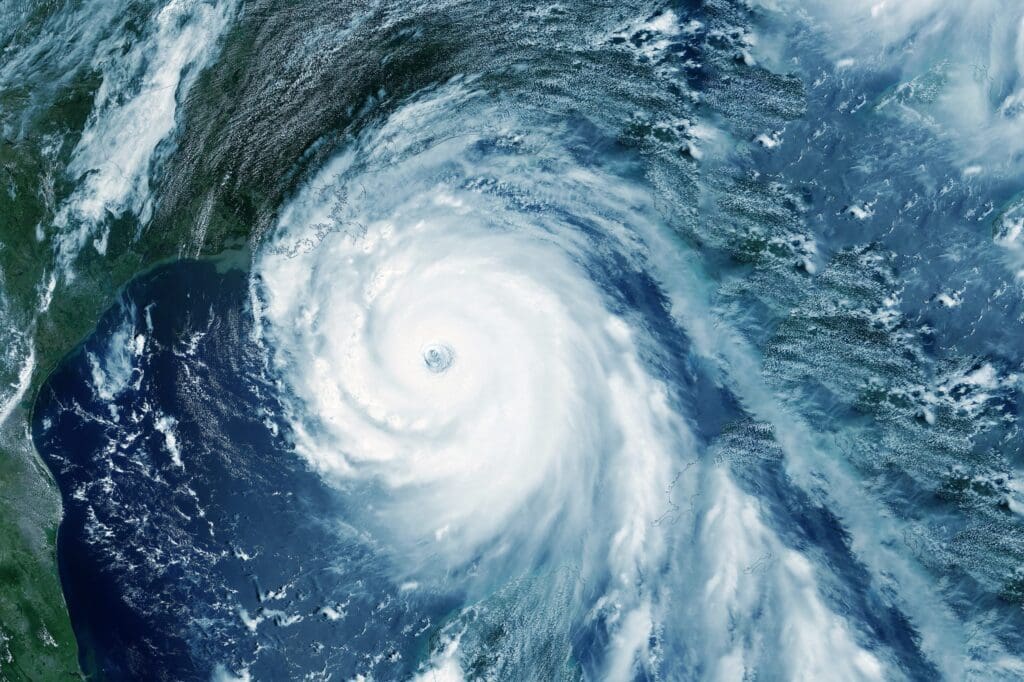
Earlier this year, the National Hurricane Center predicted an above average active season for named storms. Regarding the Atlantic Ocean, the National Hurricane Center predicted approximately fourteen named storms this year, including seven hurricanes and three major hurricanes. Current climate conditions are still favoring an above normal 2024 Atlantic hurricane season. We need to mindful…
Read MoreDetention or Retention

What is the difference between a retention pond and detention pond? The two types of ponds are usually categorized as stormwater management ponds, and often are referred to interchangeably, but they are not the same. Retention ponds are wet and therefore contain water, while detention ponds simply hold the water temporarily and are usually dry.…
Read MoreStrengthening Stormwater Management Practices

Stormwater regulations in the industrial sector aim to control pollution from stormwater runoff, which can carry harmful contaminants into water bodies. These regulations typically require various industries to implement best management practices (BMPs) and obtain permits to discharge stormwater. The U.S. Environmental Protection Agency (EPA) plays a crucial role in regulating and enforcing the National…
Read MoreYou are the Power

Reducing and managing stormwater runoff pollution is a critical issue in protecting our waterbodies. Both in the construction and industrial industries, it takes people power to enforce and control the plan, process, and performance of managing stormwater runoff. Pollutants, such as sediment and other possible contaminants, can be carried by stormwater runoff towards local water…
Read MoreAssess Current Conditions

Assessing a potential construction site is an important part of the start of a construction project. Before beginning any construction work, it is important to have knowledge of the specific site conditions and review the adjacent areas to the planned construction site. Collecting key information about the site can help in the planning, design, and…
Read MoreTropical Stormwater Inspections

One of the most important requirements of your Construction Generic Permit (CGP) is the National Pollutant Discharge Elimination System (NPDES) Stormwater Inspections. In the State of Florida, NPDES inspections have 2 components: routine inspections and storm event inspections. What is the difference between them? A big difference between the two is frequency. Routine inspections must be conducted once every 7 days,…
Read More