

Archive for January 2024
Collecting and Monitoring Industrial Stormwater
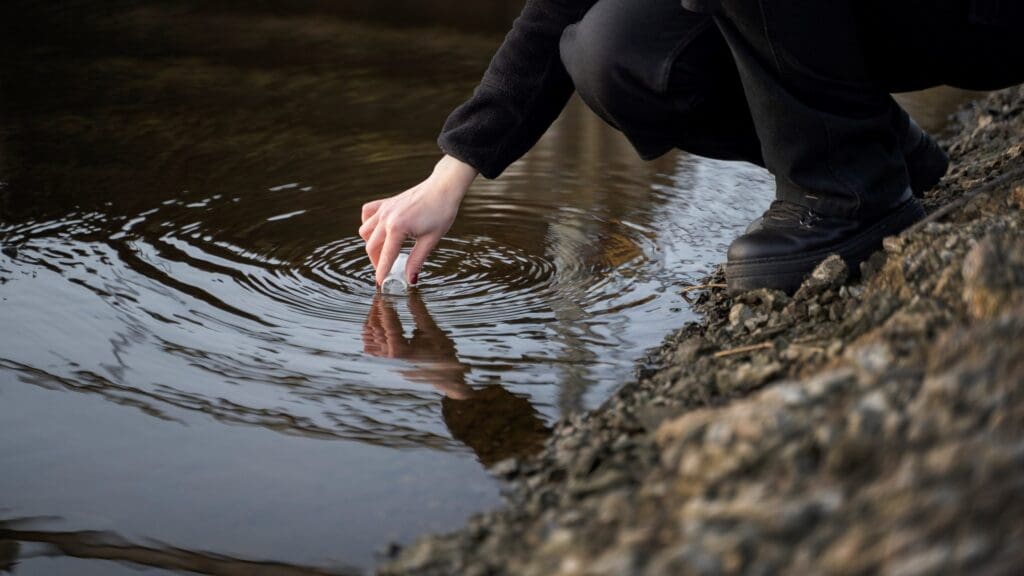
Stormwater can accumulate pollutants from outside industrial facility work activities. These pollutants can travel across impervious surfaces and then potentially enter local water bodies through a designated outfall. As a result, the facility may need to perform sampling of stormwater discharges. The result of sampling helps identify specific Best Management Practices (BMPs) that should be…
Read MoreThe Industrial Revolution
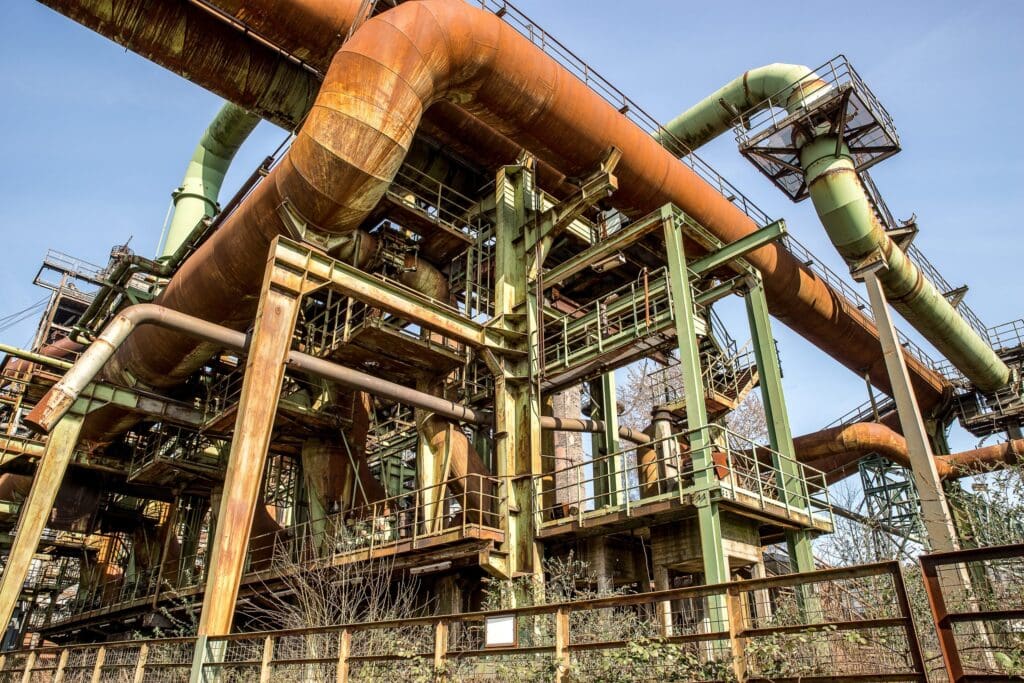
The relationship between industrialization and the environment is complex. On one hand, industrialization has fueled economic growth, technological advancements, and improved standards of living for millions of people around the world. On the other hand, industrial production has also resulted in significant environmental degradation, leading to negative impacts on human health and natural ecosystems. The…
Read MoreReduce the Impact

The water cycle is one of the most basic science lessons we learn. So basic, in fact, that it is easy to forget how relevant and important it is to our lives. The water cycle is a necessity for our survival. It is described as the movement of water through different processes. In its simplest form,…
Read MoreFlorida’s Beautiful Aquatic Preserves

Stormwater compliance refers to the Florida Department of Environmental Protection (FDEP) regulations and best practices to manage stormwater runoff from construction sites, industrial facilities, and other entities that encounters large amounts of stormwater. Being compliant includes the implementation of Best Management Practices (BMPs) to prevent contamination of stormwater and to minimize environmental impacts. Regulations typically…
Read MoreBMPs Prevent Unwanted Circumstances

Florida’s streams, rivers, woodlands, and wetlands manage stormwater naturally.  These natural resources can filter and absorb massive amounts of stormwater, improving water quality and reducing flooding. The end result of land development and urban sprawl creates more impervious surfaces increasing stormwater volume that cannot adequately be absorbed naturally into the ground. During active construction projects,…
Read More