

Archive for 2024
Reduce, Reuse, Recycle

The United States Environmental Protection Agency (EPA) website clearly states all of us should practice the process of reducing, reusing, and recycling, giving all of us the power to help our communities for today and years to come. Reduce, reuse, and recycle are depicted by implementing in a sequential order of priority. It is best…
Read MoreSafeguard our Ecosystem

We live on an amazing planet. Earth is our delicate world that perfectly provides us with everything we need through the formation of natural resources. The Earth provides us with such things as soil to grow our food, air to breathe, water to drink, animals, and plants. All of us must do our part to…
Read MoreConcrete Washout

Concrete washouts are designated areas on construction sites where concrete trucks and pumping equipment can safely dispose of leftover concrete materials. These washouts are typically made of large containers or lined pits that are designed to contain and solidify excess concrete, protecting the environment from the negative impacts of concrete waste disposal. Workers and contractors…
Read MoreEnergy Dissipators

Water emerging from a storm drain outlet requires reduction of excessive water flow that will prevent downstream channel erosion. Heavy rain events in Florida can often flow out of a discharge point, or outlet, at a very high rate of velocity. A failing storm-drain outfall can be determined in most cases because of unchecked erosion…
Read MoreEarth’s Water Supply

One of the greatest challenges we face today is water quality and quantity. Fresh water is a critical need for people and nature to survive. Freshwater ecosystems include rivers, lakes, wetlands, streams, and underground aquifers. Groundwater helps replenish an aquifer as rain leaches through the soil. Groundwater can be found in the cracks and spaces…
Read MoreImportance of BMPs

We know stormwater runoff from construction sites can have a major impact on the quality of local water bodies. Depending on the scope of work, a new construction site may require a Florida Department of Environmental Protection (FDEP), Construction Generic Permit (CGP). The CGP defines several clear expectations prior to starting a construction project. First,…
Read MoreCollecting and Monitoring Industrial Stormwater
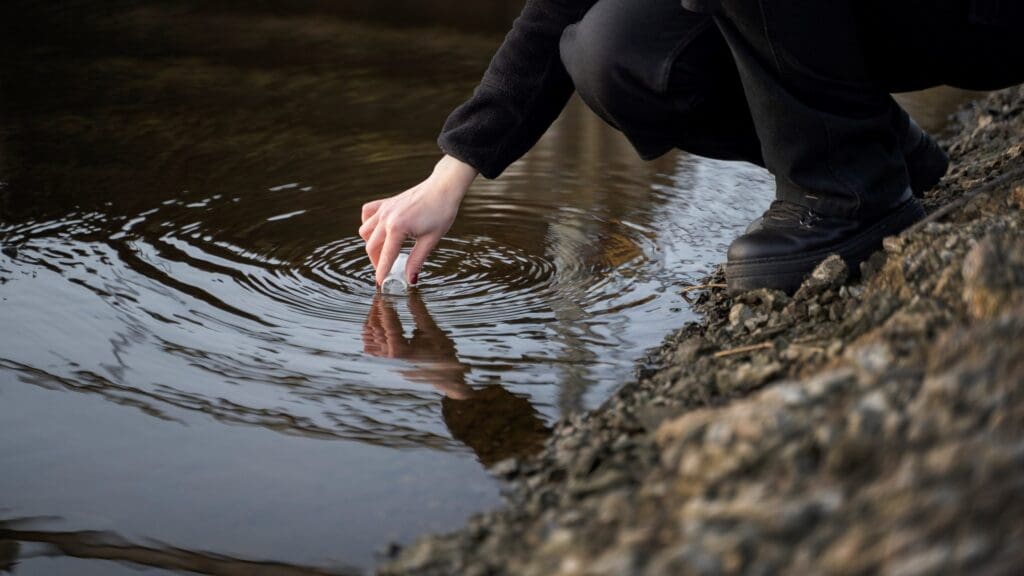
Stormwater can accumulate pollutants from outside industrial facility work activities. These pollutants can travel across impervious surfaces and then potentially enter local water bodies through a designated outfall. As a result, the facility may need to perform sampling of stormwater discharges. The result of sampling helps identify specific Best Management Practices (BMPs) that should be…
Read MoreThe Industrial Revolution
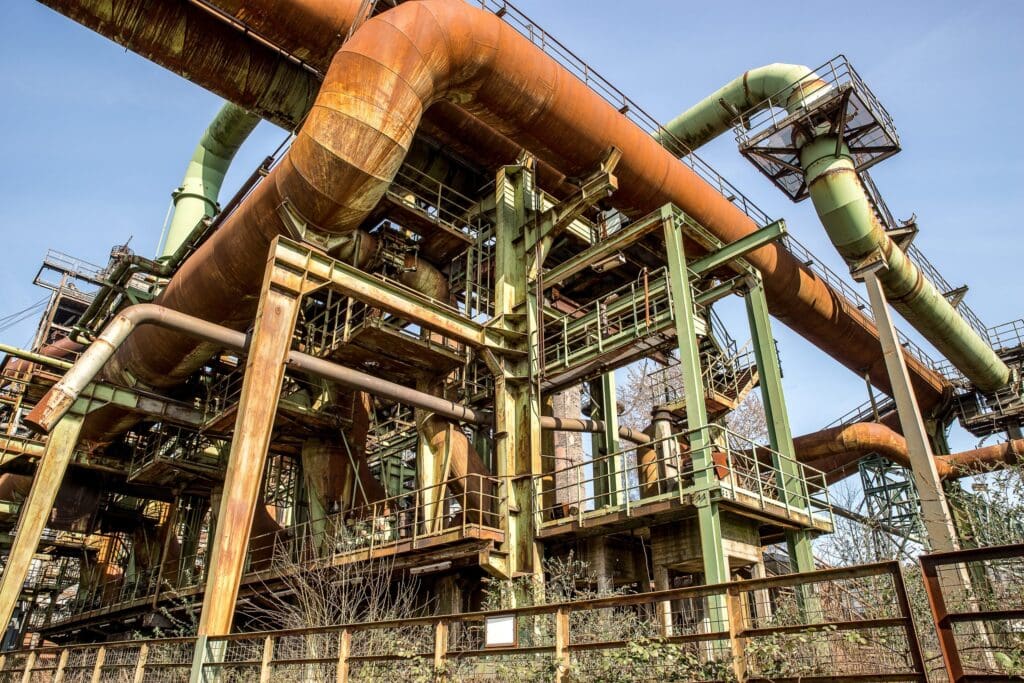
The relationship between industrialization and the environment is complex. On one hand, industrialization has fueled economic growth, technological advancements, and improved standards of living for millions of people around the world. On the other hand, industrial production has also resulted in significant environmental degradation, leading to negative impacts on human health and natural ecosystems. The…
Read MoreReduce the Impact

The water cycle is one of the most basic science lessons we learn. So basic, in fact, that it is easy to forget how relevant and important it is to our lives. The water cycle is a necessity for our survival. It is described as the movement of water through different processes. In its simplest form,…
Read MoreFlorida’s Beautiful Aquatic Preserves

Stormwater compliance refers to the Florida Department of Environmental Protection (FDEP) regulations and best practices to manage stormwater runoff from construction sites, industrial facilities, and other entities that encounters large amounts of stormwater. Being compliant includes the implementation of Best Management Practices (BMPs) to prevent contamination of stormwater and to minimize environmental impacts. Regulations typically…
Read More