

2026 Hurricane Season is Here
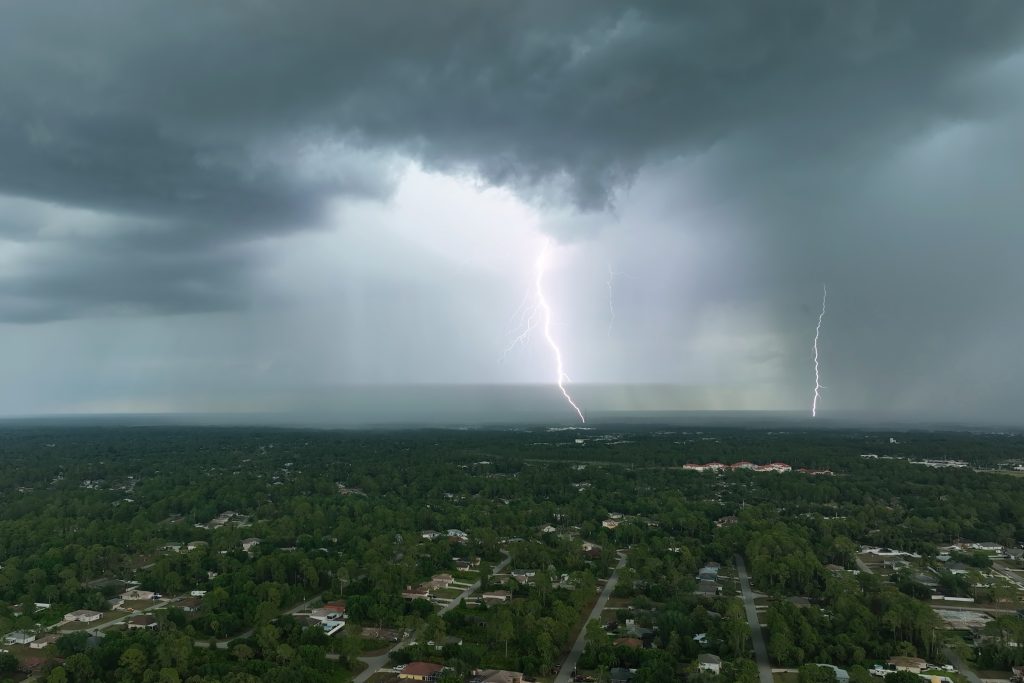
The Atlantic hurricane season runs from June 1 through November 30. This is the time of year when tropical and subtropical cyclones are most likely to form in the North Atlantic Ocean.
Hurricanes develop and intensify over warm tropical waters. They often begin as tropical disturbances or tropical storms and can strengthen as they draw energy from warm ocean temperatures and moist atmospheric conditions.
Most storms that impact Florida originate over the Atlantic Ocean, with some developing off the coast of West Africa before traveling across the Atlantic basin. Florida’s warm waters and humid climate can provide favorable conditions for storms to strengthen during the peak hurricane months of August through October.
As tropical systems intensify, they can develop into large clusters of powerful thunderstorms capable of producing destructive winds, storm surge, heavy rainfall, flooding, and tornadoes. These hazards can have significant impacts on communities, infrastructure, and construction projects throughout the state.
The National Oceanic and Atmospheric Administration (NOAA) and other leading meteorological organizations issue annual forecasts to help communities prepare for hurricane season. For 2026, NOAA is forecasting a slightly below-normal Atlantic hurricane season, citing the anticipated development of El Niño conditions, which typically suppress hurricane activity in the Atlantic. Current forecasts predict between 8 and 14 named storms, with 3 to 6 hurricanes and 1 to 3 major hurricanes (Category 3 or stronger). While this is below the long-term seasonal average, forecasters continue to emphasize that it only takes one storm making landfall to create a significant impact.
Safety during hurricane season remains critically important, regardless of the seasonal forecast. Hurricanes can cause extensive damage and pose serious risks to life and property.
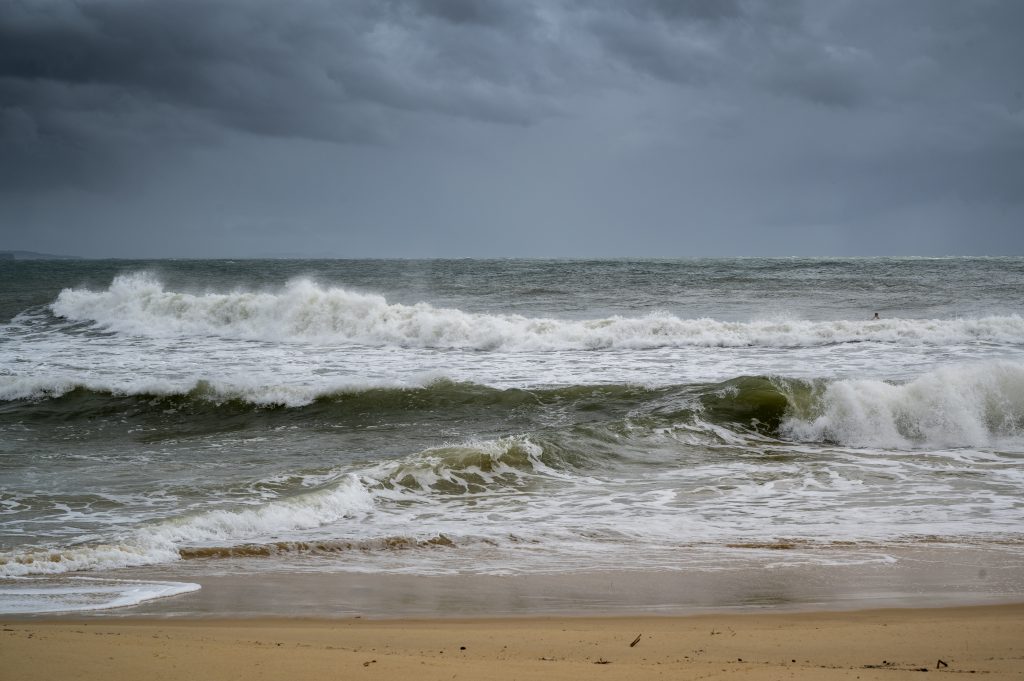
Preparedness is essential. Individuals and organizations should stay informed, maintain emergency plans, monitor weather conditions, and be prepared to act quickly when necessary.
From a stormwater compliance perspective, construction sites should proactively prepare and stablize Best Management Practices (BMPs) before severe weather arrives.
Activities such as inspecting and reinforcing perimeter controls, evaluating inlet protection, lowering pond water levels where appropriate, securing materials and equipment, and stabilizing exposed soils can help reduce flooding and erosion risks. We provide our clients with storm-related updates and recommendations to help protect their projects before, during, and after severe weather events. Additionally, site operators should ensure that Stormwater Pollution Prevention Plan (SWPPP) documentation and other critical project records are secured in a safe indoor location as part of their hurricane preparedness efforts.
Hurricane season creates a lot of additional stress, and it is important to produce a plan. KCI has extensive experience in stormwater management and compliance. Over the years, we have also experienced many of Florida’s tropical storms and understand how to help clients plan, prepare, and ride the storm out. Call us today, 888-346-7779.
