

Who Is the Site Operator

Florida’s Construction Generic Permit (CGP) for Stormwater Discharge from Large and Small Construction Activities defines “site operator” this way:
The person, firm, contractor, public organization, or other legal entity that owns or operates the construction activity and that has authority to control those activities at the project to ensure compliance with the terms and conditions of this permit.
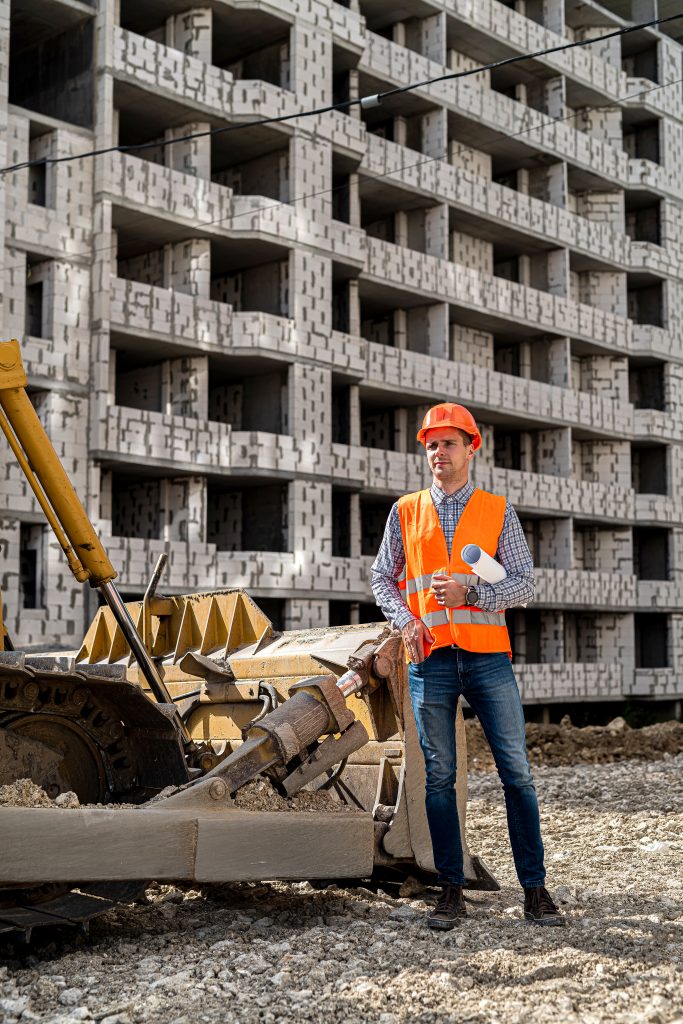
That’s the legal language. In practice, the site operator is simply the person who’s on site regularly, supervising the Best Management Practices (BMPs) that protect the property from erosion and sediment discharge, and accountable for keeping those BMPs maintained, not just installed once and left alone.
What the Site Operator Is Responsible For
The CGP puts a specific set of duties on whoever holds the site operator role, and none of them are optional:
- Obtain permit coverage. Coverage under the Florida CGP needs to be secured before construction activity begins. It isn’t something you can go back and fix later.
- Own compliance, fully. FDEP holds the site operator accountable for every permit condition, not just the ones that are easy or convenient.
- Hold real operational control. This has to be someone with actual authority on site, someone who can stop an activity, redirect a crew, or order a repair. A title alone doesn’t count.
- Accept personal responsibility. Taking on the site operator role means accepting liability for the project’s compliance status, violations included.
- Review and sign the SWPPP. A signature on the plan confirms the operator has actually read it and stands behind its execution, not that someone else wrote it and they never looked.
- Inspect weekly and after every qualifying storm event. Comprehensive stormwater inspections aren’t a once a month formality. They’re required on a set schedule and again whenever a storm meets the permit’s threshold.
- Stay ahead of erosion and sedimentation problems. Don’t wait for something to fail before acting. Watch the areas most likely to get stressed, like slopes, drainage paths, and active earthwork, and address them before they become a violation.
- Post proof of permit coverage. A copy of the Notice of Intent (NOI) or acknowledgement letter should be posted on site at all times and available for anyone in the public to see.
The site operator carries the legal weight, but keeping a project compliant is really a team effort. Any trade or crew on site can undo a BMP in an afternoon of work, so everyone needs to understand their part, not just the person whose name is on the permit.
Where Compliance Actually Breaks Down
BMPs take a beating simply because they sit in the path of everyday construction traffic. Based on what we see in the field, most compliance failures aren’t caused by poor design. They’re caused by ordinary site activity wearing controls down over time:
- Sediment tracking onto public roads from vehicle tires leaving the site.
- Paint, stucco, or other liquid waste washout with no functioning containment in place.
- Silt fence damaged by heavy equipment or moved by crews and never restored properly.
- Sediment buildup around inlet protection that quietly reduces how well it works.
- Concrete washouts that have overflowed, been damaged, or were never sized for the amount of work happening on site.
- Waste management areas that stop functioning and end up becoming a source of contamination themselves.

What Actually Prevents These Failures
Fixing BMP damage after an inspection catches it is expensive and reactive. It’s far more effective, and far cheaper, to prevent it in the first place. That comes down to two habits:
- General housekeeping, practiced every day, not just cleaned up right before an inspection.
- Ongoing education for every trade and crew on site, so protecting the BMPs becomes second nature instead of somebody else’s job.
In our experience running inspections and working with site operators across Florida, the sites that stay compliant year over year are the ones where these two habits are routine, not the ones with the most expensive equipment.
How KCI Helps Site Operators Stay Ahead of It
KCI helps site operators put simple, low cost awareness and training programs in place, the kind of orientation that gets every trade on site actually paying attention. Done well, it raises compliance and lowers rework costs at the same time. That’s the goal: helping site operators carry out these responsibilities well, not just check a box.
Give us a call at (888) 346-7779.
