

Posts by KCI Now
Performing Stormwater Compliance and Management

Executing a stormwater management plan for construction sites and industrial facilities is very important. KCI understands the challenges our clients face every day in dealing with stormwater run-off. Water that comes from rain that cannot effectively soak into the ground becomes stormwater. Stormwater has the potential to pick up pollutants. Over the next several weeks,…
Read MoreControlling Dust on Construction Sites

Springtime in Florida is when the winds are high and rainfall continues to be low, leading to a common and pervasive issue on active construction sites – dust. This issue can be controlled with vigilance, dedication, and persistence. Construction sites should protect site workers by using wet method controls to apply water at the point…
Read MoreAssess Compliance

Compliance monitoring programs are an important part of the Environmental Protection Agency’s (EPA) capability to achieve clean water. The EPA and respective states that have been granted administrative capabilities have a coordinated and harmonized process to compliance monitoring efforts. Examples may include on-site inspections and evaluations of reported Discharge Monitoring Report (DMR) data specifically for…
Read MoreStormwater, a non-point Source Pollution

When precipitation falls on roads, streets, rooftops, and sidewalks, it can force harmful pollutants down the drain. Pollutants can range from debris, plastics, dirt, sediment, and various harmful chemicals. Stormwater that sheet flows off roads, buildings, or other surfaces without being collected or channelized, is a nonpoint source runoff. Any pollutants collected within the stormwater…
Read MoreFlorida Fresh Water

Did you know Florida has over 2.5 million acres of freshwater lakes, rivers, springs, and wetlands? There is also the Floridan aquifer, the natural subsurface freshwater reservoir that lies beneath the ground. Scientific study has determined the Floridian aquifer is approximately 82,000-square-miles and holds billions of gallons of freshwater. This unique aquifer stretches into other…
Read MoreTypes of Erosion

Many rain events can begin with general surface runoff that may begin as sheet flow and then the water can accelerate and scour the soil into channels. Once this occurs, the stormwater can become a vicious velocity of flooding water. Soil exposed by construction activities is especially vulnerable to erosion. Stormwater runoff can pick up…
Read MoreDifferent ways to Stabilize

There are several different ways a site can be stabilized throughout the construction project. Let us review the different types of Site Stabilization. Erosion Control Blankets – These cover the ground for a short period of time. Erosion Control Blankets (ECBs) are made up of a variety of organic and synthetic materials. They are used…
Read MoreAre you Stabilized?
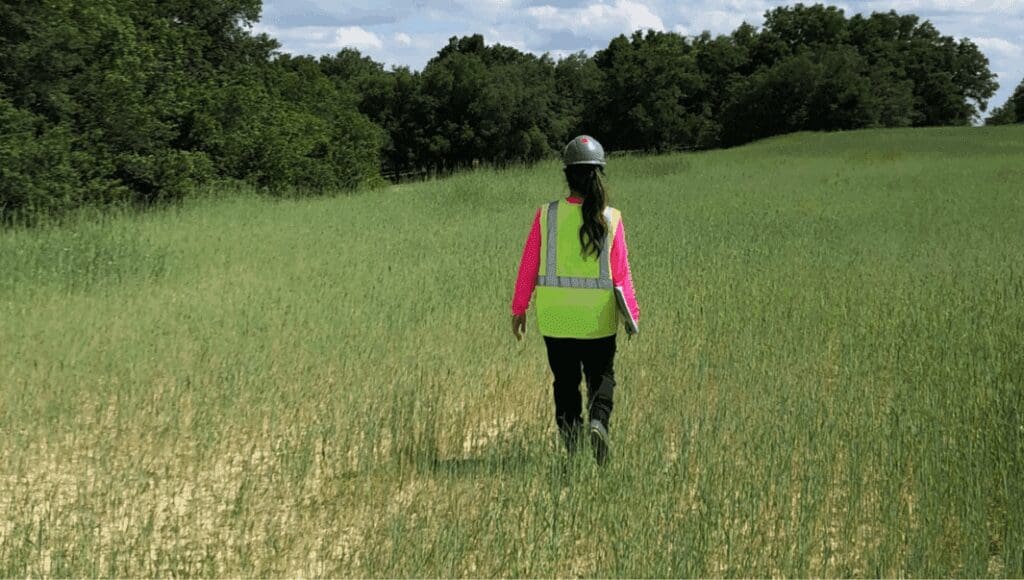
What does stabilization mean? Directly from the Merriam-Webster dictionary it states “to make something stable, steadfast, or to hold steadyâ€. During active construction projects, it is critically important to limit stormwater exposure and stabilize the soil by using vegetative or non-vegetative Best Management Practices (BMPs). Effectively implementing and maintaining such practices will dramatically reduce erosion…
Read MoreHow to prevent Stormwater Pollution

Did you know that Stormwater is considered one of the top contributors to water pollution? When it rains, stormwater runs across impermeable surfaces created by developed areas. Stormwater can pick up garbage, debris, chemicals, toxic fluids, and sediment easily when these are exposed to flowing stormwater across impervious surfaces. We have all heard the saying,…
Read MoreRainy Conditions are Dangerous

It becomes dangerous when construction projects encounter a high concentration of rain. It can become extremely hazardous for potential slips and falls. Extreme wet conditions can create an increase in accidents especially while workers are on ladders and scaffolding with wet and dirty boots. Certainly, safety becomes the priority after a heavy rain on any…
Read More