

Posts by KCI Now
It’s Muddy at Times

What is mud really made of? Yes, you are probably thinking this is a silly question. We all know mud is created when water is added and mixed with soil. What’s interesting is that you can actually find online instructions on how to make mud. The materials or list of ingredients you will need and…
Read MoreSediment Suffocates

Sedimentation run-off can create costly damage to our waterbodies. An abundance of sedimentation leaving a construction site can create less capacity for water in streams, rivers, and lakes causing a higher propensity for flooding. If not adequately maintained and frequently checked, sediment can quickly fill the construction sites stormwater drainage systems such as culverts, inlets,…
Read MoreExit with Excellence

Just having a quality-built construction entrance alone is not going to completely control sediment and mud departing a construction site. It must also be well maintained through-out the construction process. On-going traffic through-out the day will put a tremendous strain on the construction exit. It is a great practice to frequently inspect the condition to…
Read MoreEnter with Excellence

A construction entrance is a temporary stabilized location for construction vehicles to properly enter and depart a construction site. A proper construction entrance should be designed to effectively keep mud, sediment, and dirt from leaving your site once vehicles complete their task. These items can carry pollutants that are generated on constructions sites with them. …
Read MoreAdvantages to Permeable Surfaces

There are certainly advantages and disadvantages for using permeable surfaces. The top two benefits for porous surfaces are the reduction of pollutants discharged in runoff by filtering stormwater and stormwater runoff volume. Adversely there are some disadvantages. First, they tend to have less structural strength than conventional pavements therefore the goal is to minimize using…
Read MoreGreen Stormwater Infrastructure Practices

What is porous pavement? It is a pervious surface designed and created to replace traditional paved areas we find utilized through-out the construction industry today. There are many possibilities available to eliminate impervious surfaces such as permeable concrete, porous asphalt, paving stones or bricks, grass pavers, and other permeable surfaces designed to replace traditional pavement.…
Read MoreLast Line of Defense

Construction sites can be classified into several types. The most common construction taking place in Florida are sites with physical structures being built. Construction sites can range from residential homes, commercial, heavy construction such as dams and infrastructure, and industrial. A construction site is basically considered the actual land where physical construction activities may take…
Read MoreStabilization Practices
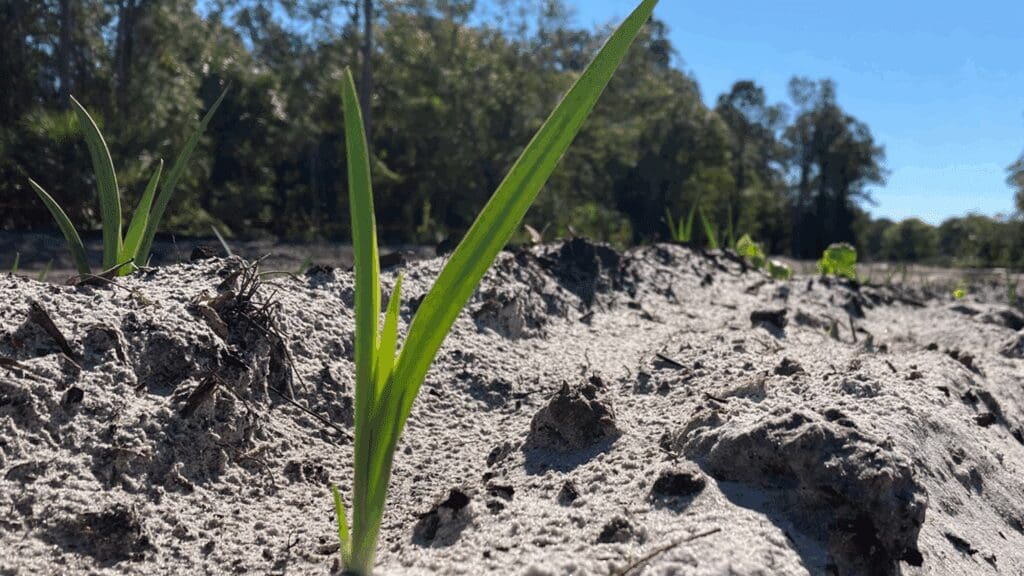
Soil exposed to stormwater runoff on a construction site can cause erosion and sedimentation polluting lakes, rivers, and other water bodies. When topsoil and natural vegetation is removed or disrupted on a construction site, erosion can occur. Through proper use of Best Management Practices (BMPs), such as temporary and permanent covers to stabilize soils can…
Read MoreDifficult to Dissipate

As the construction site becomes more impacted with less vegetation and more structural impervious surfaces are in place, the stormwater runoff velocity and volume dramatically increase. This will escalate the potential for erosion and sediment leaving the site. Early in the project, it is a good practice to jointly review with design engineers, project teams,…
Read MoreWhat does NPDES Mean?

NPDES stands for National Pollutant Discharge Elimination System. NPDES was created in 1972 as an amendment to the Clean Water Act. It states that the discharge of pollutants from any point and non-point source to waters of the United States is unlawful unless the discharge is in compliance with a permit. This is one of…
Read More