

Stormwater Inspection – More Than a Permit Requirement
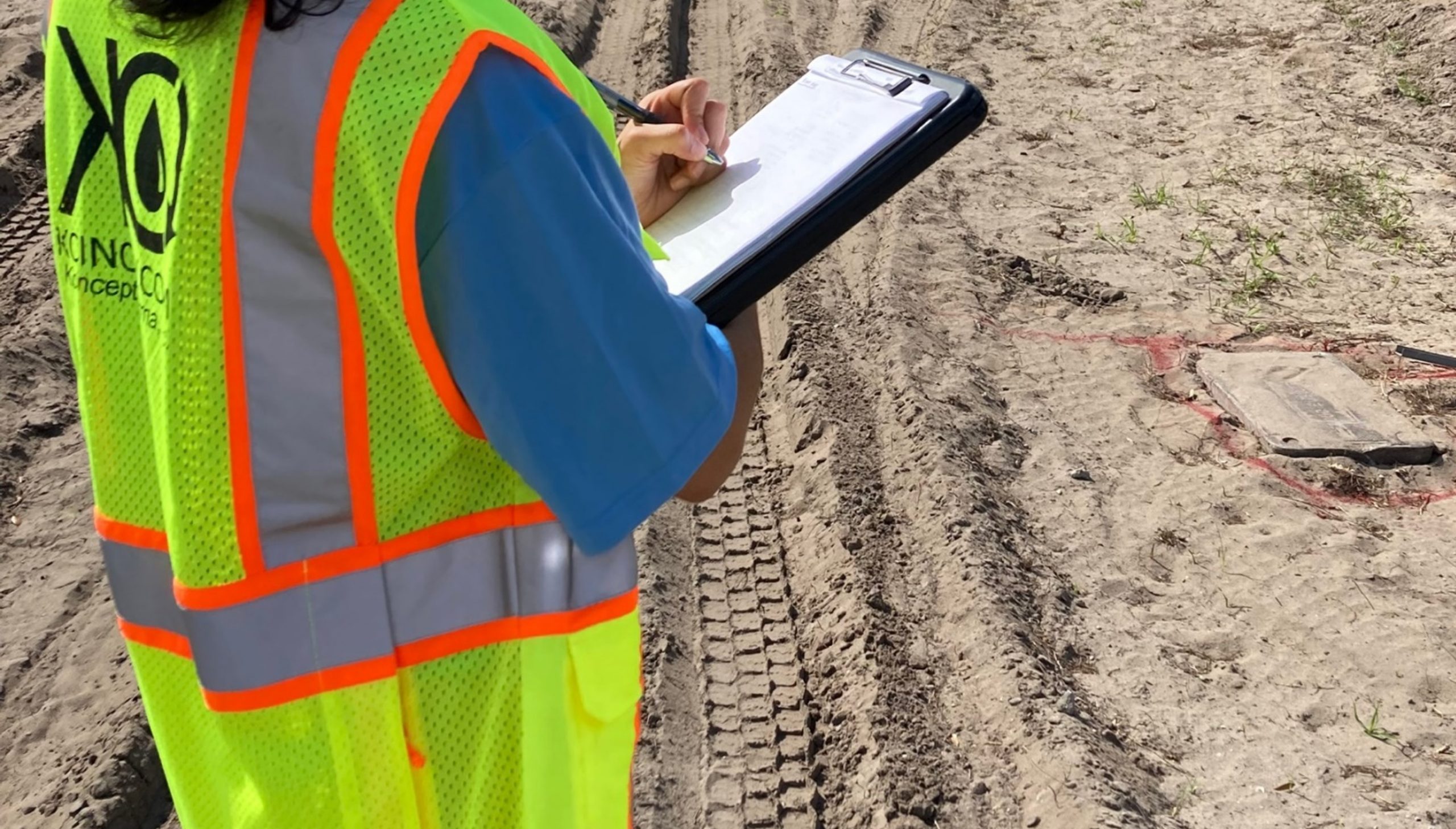
A stormwater compliance inspection can be considered a documented snapshot in time of the construction project from the planning phase to the final stabilization. Each inspection can provide a story to the evolution of a construction projects performance against minimizing erosion and sediment departing the boundaries of the construction site. The primary mission of the Florida Construction Generic Permit (CGP) is to help construction sites eliminate pollution, such as contaminants, and especially sediment, from leaving the site.
A permitted construction site must be inspected at least once every seven calendar days and within 24 hours at the end of a storm event that is 0.50 inches or greater. A storm event is defined as 0.50 inches of continuous rainfall without a four-hour break , outlined criteria from the CGP. Below are specific expectations to be performed for a quality site inspection to take place and should be performed by a trained and certified stormwater inspector.
A stormwater inspection is more than a checklist review; it is an evaluation of how effectively a construction site is managing stormwater risks at a specific point in time. During each inspection, the inspector should assess all areas impacted by construction activity and understand how stormwater moves across the site, including flow paths, drainage patterns, discharge locations, and areas where pollutants could potentially enter runoff.
The inspector’s role is to evaluate whether erosion and sediment control BMPs are properly installed, maintained, and functioning as intended. It is not enough to simply confirm that a BMP is present; the inspector must determine whether it is effective for the current phase of construction and whether maintenance, repair, replacement, or additional controls are needed. Site conditions should be compared to the approved SWPPP to identify whether construction activities have changed and whether updates or additional BMPs are necessary.
Inspections should also focus on identifying potential pollutant sources, including exposed materials, waste areas, equipment fueling locations, chemical storage areas, concrete washout areas, spills, leaks, and sediment accumulation. Good housekeeping practices, stabilized construction entrances, stockpiles, slopes, sediment controls, inlet protection, discharge locations, and stabilization efforts should all be evaluated to confirm they are performing properly.
A thorough inspection requires looking beyond the immediate construction area to identify potential impacts to wetlands, surface waters, storm drains, neighboring properties, and other environmentally sensitive areas. Inspectors should consider recent rainfall, forecasted weather conditions, and upcoming construction activities to determine whether existing controls will continue to provide adequate protection.
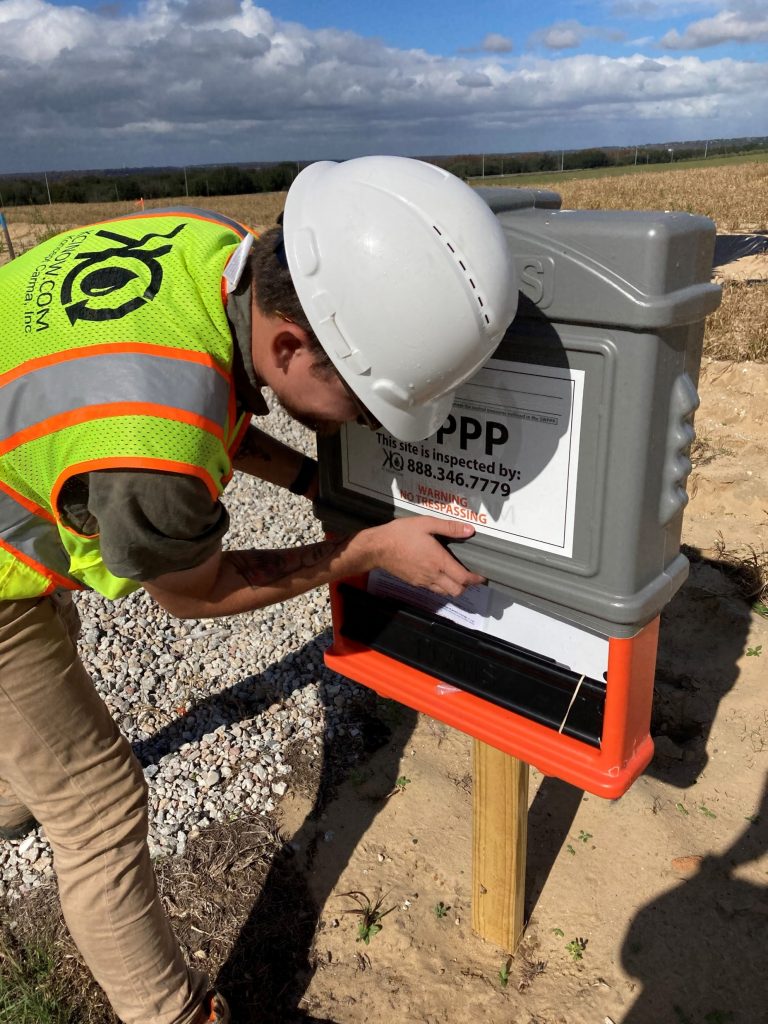
The ultimate goal of every inspection is to create an accurate, objective, and defensible record of site conditions. Inspection findings should be documented through clear narratives, photographs, and precise locations. A quality stormwater inspection identifies potential issues early, supports timely corrective actions, and helps ensure the project remains compliant with the Construction Generic Permit while protecting surrounding water resources.
The KCI Inspector’s Mindset
At KCI, we believe exceptional stormwater inspectors do far more than complete inspection forms—they think like environmental consultants and trusted advisors.
Every inspection should be approached with the following mindset:
Protect the Environment – Every BMP, corrective action, and recommendation contributes to protecting Florida’s waterways, wetlands, and natural resources.
Protect the Client – Identify deficiencies early to help clients avoid permit violations, enforcement actions, costly rework, and project delays.
Think Beyond Today – Evaluate how upcoming construction activities and forecasted weather may affect site conditions before the next inspection.
Inspect with Purpose – Every observation should answer the question, “Does this condition increase the risk of stormwater pollution?”
Provide Solutions – Don’t simply identify problems. Recommend practical, effective corrective actions that support compliance.
Document Objectively – Inspection reports should be factual, accurate, complete, and defensible, serving as a professional record of site conditions.
Be the Expert – Clients depend on KCI inspectors for technical guidance and professional judgment. Confidence comes from preparation, continuous learning, and field experience.
Represent KCI Professionally – Every interaction with clients, contractors, regulators, and the public reflects KCI’s reputation for technical excellence, integrity, and environmental stewardship.
KCI, is a well-respected and professional organization in the environmental industry, requiring all employees to uphold the highest standards in meeting the rigorous training, certification, scope of work to effectively perform precision stormwater inspections. KCI has invested resources into building our expertise ensuring our clients receive the greatest of care and service. Call us today at 888-346-7779.
