

Somebody’s gotta do it!
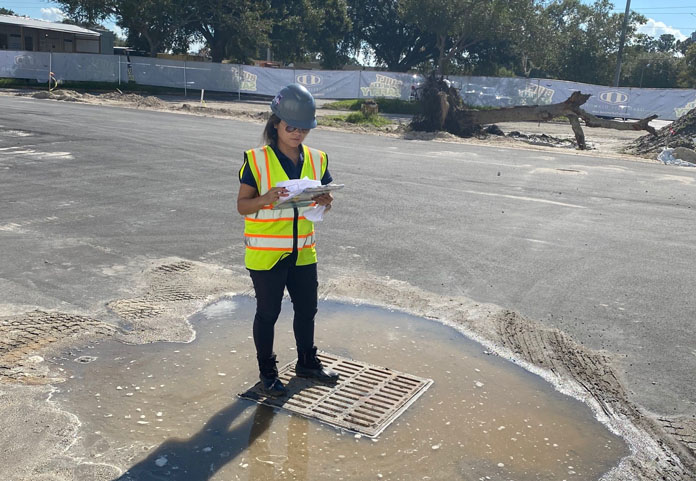
Do you remember the television show Somebody’s Gotta Do It, starring Mike Rowe?
The show introduced viewers to hardworking people performing unique, interesting, and sometimes overlooked jobs. It celebrated the people behind the work—the individuals willing to take on important jobs that most of us rarely stop to think about. But out of all those episodes, we don’t remember seeing one about a Stormwater Inspector. And here in Florida, especially this time of year, somebody definitely has to do it.
Rainy Season Changes Everything
We are in one of Florida’s wettest times of the year. Frequent afternoon thunderstorms, heavy downpours, tropical moisture, and the potential for tropical systems can produce significant amounts of rainfall in a relatively short period. For an active construction site, all that water has to go somewhere. As stormwater moves across disturbed soil, construction entrances, stockpiles, roadways, and active work areas, it can pick up sediment, debris, chemicals, oils, concrete residue, and other pollutants. Without properly installed and maintained Best Management Practices (BMPs), those pollutants can leave the construction site and potentially enter storm drains, ponds, lakes, streams, rivers, wetlands, and other receiving waters. That makes stormwater inspections particularly important during Florida’s rainy season.
Enter the Stormwater Inspector
A certified Stormwater Inspector performs a specialized role in helping construction operators manage stormwater compliance while helping protect Florida’s water resources. For construction projects, stormwater inspectors evaluate whether the site’s erosion and sediment controls are installed, maintained, and functioning as intended. They are an important front-line defense for construction-site stormwater management.
Inspectors evaluate conditions such as:
- Silt fence and perimeter controls
- Storm drain and inlet protection
- Stabilized construction entrances
- Soil stockpiles and disturbed areas
- Concrete washout areas
- Waste and material storage
- Secondary containment
- Erosion and sediment accumulation
- Site stabilization
- Other site-specific BMPs
And during periods of frequent or heavy rainfall, conditions can change quickly. A BMP that was functioning properly during the previous inspection may become damaged, overwhelmed, filled with sediment, displaced by construction activity, or otherwise ineffective after significant rainfall. That is one reason inspections are more than simply a regulatory exercise. They provide an opportunity to identify problems before they become bigger compliance—or environmental—problems.
More Rain Means More Attention to Stormwater
Florida’s Construction Generic Permit establishes inspection requirements for regulated construction activities, including routine inspections and inspections associated with qualifying rainfall events. During the rainy season, that can mean increased inspection activity and a greater need for construction operators to remain attentive to site conditions. It also means that stormwater compliance isn’t something that should be addressed only when an inspector arrives.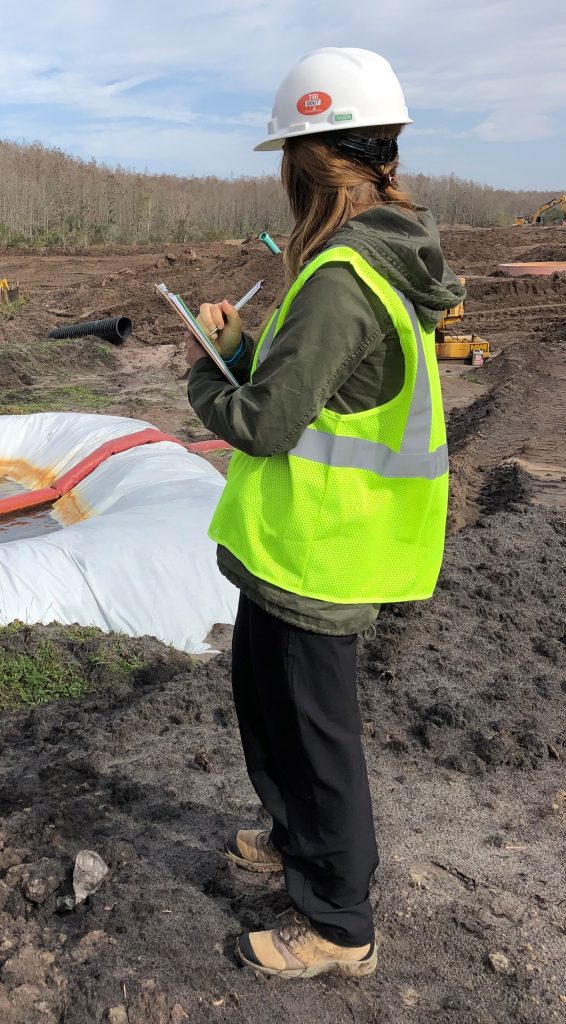
BMPs need to be maintained. Documentation needs to remain current. Corrective actions need to be addressed. Site conditions need to be monitored. And construction teams need to understand their role in protecting the controls already in place.
Rain doesn’t wait for a convenient time—and neither should stormwater compliance.
Somebody’s Gotta Do It
KCI’s Stormwater Consultants and Inspectors bring expertise in erosion and sediment control, Best Management Practices, environmental compliance, inspection documentation, and client consultation. Their job extends beyond completing an inspection report. They work with construction operators to evaluate site-specific BMPs, identify maintenance needs, communicate potential compliance concerns, recommend corrective actions, and help construction teams better understand their stormwater responsibilities. It is detailed work. It happens outdoors. It happens in the heat. And during Florida’s rainy season, it often happens when conditions are wet, muddy, and constantly changing.
But the purpose behind the work is much bigger.
Protect the site. Maintain compliance. Reduce pollution. Protect Florida’s waterways.
KCI has talented, knowledgeable, and hardworking people performing this work across Florida every day. Because when the rain starts falling and the water starts moving, somebody’s gotta do it.
Need professional stormwater inspection or compliance support? Contact KCI at 888-346-7779.
