

Berm it
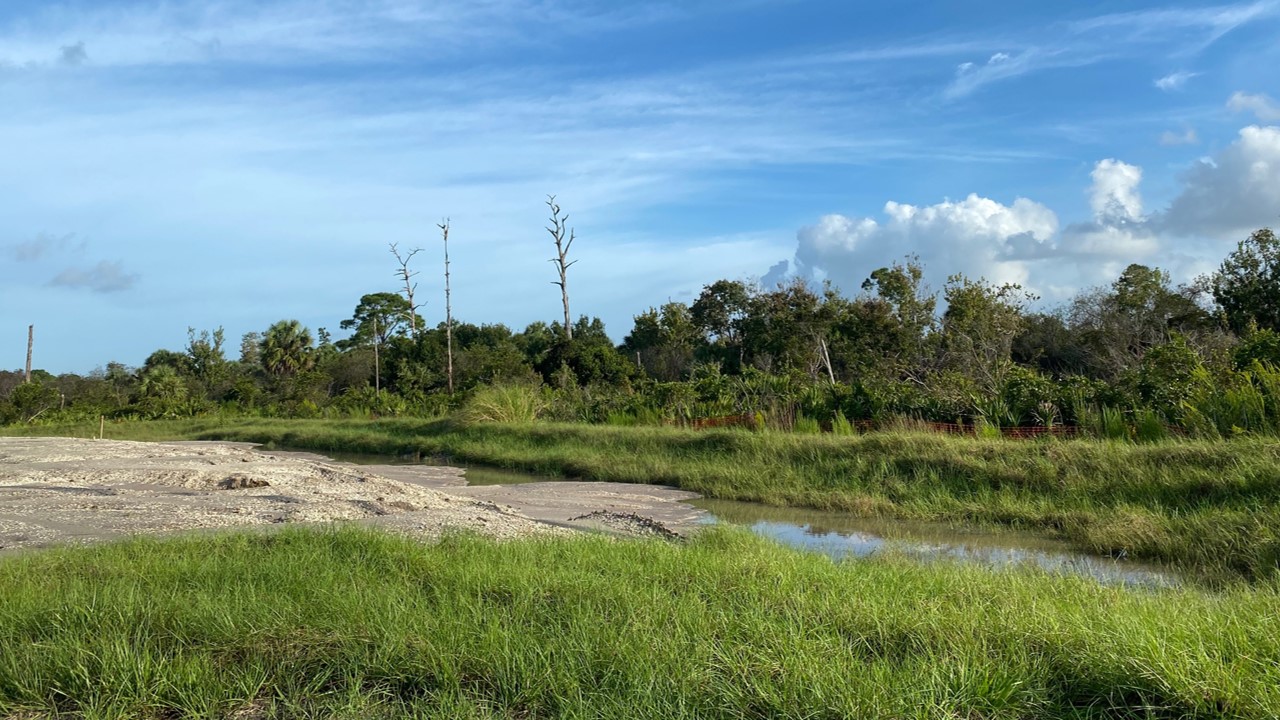
Effective stormwater management begins long before construction activity starts. Proper planning for stormwater runoff, erosion, and sediment control is not simply a best practice—it is a necessity. Because every construction site and landscape is unique, one of the highest priorities during site development is ensuring stormwater runoff is properly diverted and controlled.
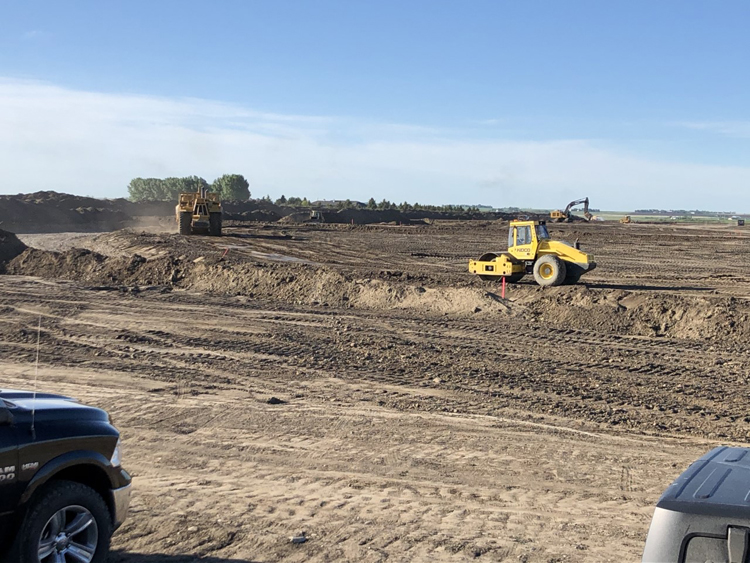
Contractors and developers have several methods available to manage stormwater flow across an active construction site. Storm drains, swales, dikes, sediment basins, and berms are commonly implemented to collect, redirect, and control runoff, helping prevent sediment, pollutants, and other contaminants from reaching nearby receiving waters or environmentally sensitive areas.
Among these practices, berms continue to play a vital role throughout the lifecycle of a construction project. Whether temporary or permanent, berms are often one of the first stormwater Best Management Practices (BMPs) installed and one of the most frequently adjusted as site conditions evolve.
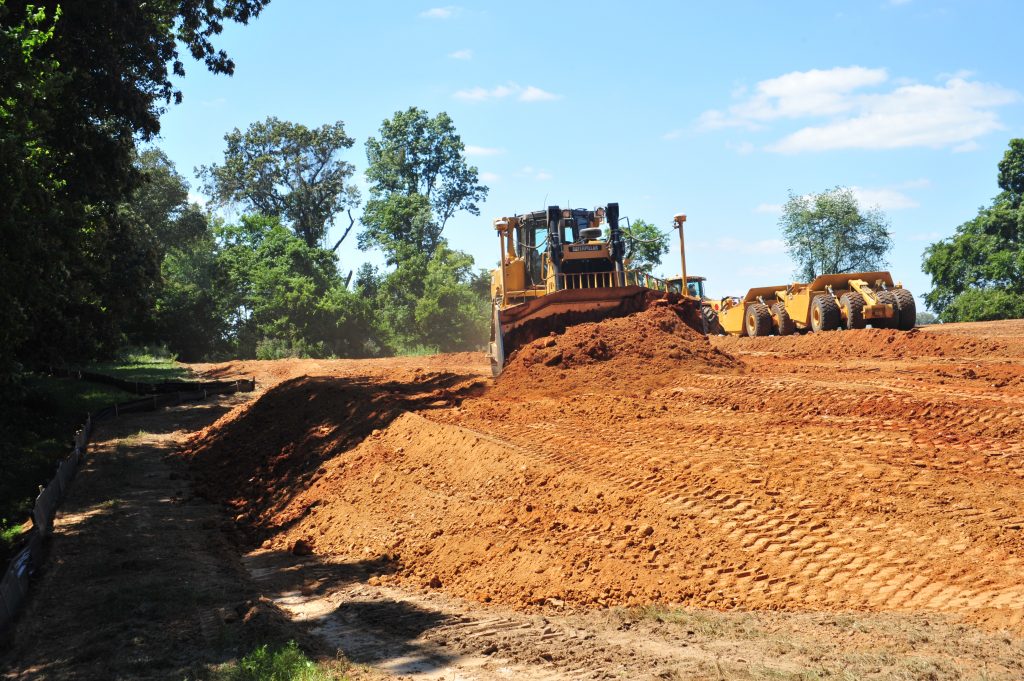
As grading, excavation, and land disturbance activities progress, the landscape continuously changes. Stormwater flow paths that worked during one phase of construction may require modifications during another. Because of this, diversion structures—especially berms—are routinely reshaped, relocated, or reinforced to maintain effective runoff control and site compliance.
Successful berm placement begins with understanding the site itself. Evaluating topography, drainage patterns, soil conditions, and anticipated stormwater flow helps identify where runoff is most likely to travel and where diversion measures will be most effective. Proactive planning allows contractors to maximize flow efficiency while minimizing erosion and sediment transport.
In environmentally sensitive regions such as Florida, stormwater management takes on even greater importance. With wetlands, marshes, springs, and protected water bodies often located adjacent to active construction sites, maintaining effective runoff controls is essential. Berms are frequently used to direct stormwater toward other BMPs such as swales, sediment traps, detention ponds, or retention systems—helping keep sediment and contaminants onsite and out of natural ecosystems.
From initial land clearing through final stabilization, berms provide a reliable method for controlling erosion and sediment transport. In many cases, temporary berms eventually transition into permanent stormwater features or become integrated into final grading and vegetative landscaping designs, contributing to both functionality and long-term site aesthetics.
Simply put, when it comes to stormwater management, sometimes you need to install one of the Best Management Practices before runoff becomes a problem.
Need help developing effective stormwater management solutions for your project? Experienced stormwater professionals can help evaluate your site conditions, recommend BMP strategies, and keep your project compliant from groundbreaking to final stabilization. Let KCI help you Berm it. We are stormwater management experts. Call us today at 888-346-7779 to learn more.
