
One often overlooked part of stormwater management is human health and prosperity. We may not immediately think of storm drains and retention ponds when we are thinking about the impact on human health, but the reality is that life requires water – good and bad life. Mosquitos, for example, are known carriers for several harmful diseases and viruses that can cause serious issues to humans. Most commonly, we refer to the West Nile Virus when referring to mosquitos as vectors for pathogens, but there are others as well. An improperly managed construction site can be a potential breeding ground for pathogen carrying mosquitos; construction debris, barrels and buckets, materials storage, and stormwater ponds are all potential locations for a mosquito colony to form.
All types o f mosquitos require water to breed, as they live out both their larval and pupal stages in water. Several species choose temporary sources of water for their breeding grounds, the types of areas created in construction sites. It’s important to keep this in mind when designing and maintaining your construction site layout. Some methods that can be used to reduce temporary standing water that may perpetuate mosquito breeding include:
- Reduce the need for stormwater management facilities – This is easier said than done in Florida!
- Improve the design of permanent pools, ponds, and other water structures. Making ponds deeper, and increasing circulation are both things that can reduce ideal mosquito habitat.
- Choose your stormwater management measures based on site-specific conditions.
- Take special care of ponds that temporarily hold water through good drainage.
- Ensure proper storm sewer design to continuously flush out sediment and prevent backup.
- Comply with local, state, or federal requirements for maintenance. This includes weed control, de-silting, pond maintenance, and, of course, proper compliance reporting.
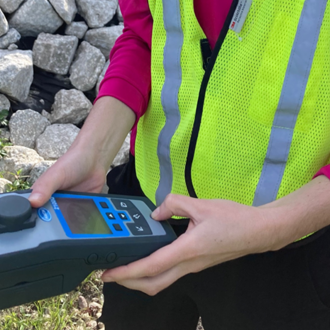
You can also reduce potential mosquito homes by keeping lids on containers, ensuring a clean and well managed site free of trash and debris, and organizing your construction materials appropriately. KCI inspectors regularly visit sites and are tasked with ensuring SWPPP compliance, including the presence of improper stormwater retention and the accumulation of garbage and debris. NPDES inspections are good for more than just erosion control, but also for keeping clean and ensuring you are playing your part in a healthy local environment!