Keeping construction sites clean is not just about aesthetics; it is a critical component of effective project management and environmental stewardship. Construction sites usually have a lot of different things going on at once, with numerous moving parts that can lead to an accumulation of trash and debris. This buildup creates an eyesore and can jeopardize the safety, efficiency, and overall project success.
Hidden within this waste could be harmful chemicals that pose significant environmental risks if they contaminate stormwater runoff. By actively managing trash and debris, you are taking essential steps toward protecting our ecosystems.
The Environmental Protection Agency (EPA) advocates Sustainable Materials Management (SMM), which emphasizes viewing construction and demolition of materials as valuable commodities rather than mere waste. This change in basic assumptions encourages us to minimize the use of raw materials by reusing or recycling what we already have from previous projects. Adopting this mindset not only helps with keeping our sites clean but also contributes to a more sustainable future in construction practices. Therefore, implementing effective waste management on-site is a good practice for the health of our communities and the environment alike.
So, what types of products are Construction and Demolition (or C&D) materials? The EPA has provided a list:
- Concrete
- Wood (from buildings)
- Asphalt (from roads and roofing shingles)
- Gypsum (the main component of drywall)
- Metals
- Bricks
- Glass
- Plastics
- Salvaged building components (doors, windows, and plumbing fixtures)
- Trees, stumps, earth, and rock from clearing sites.
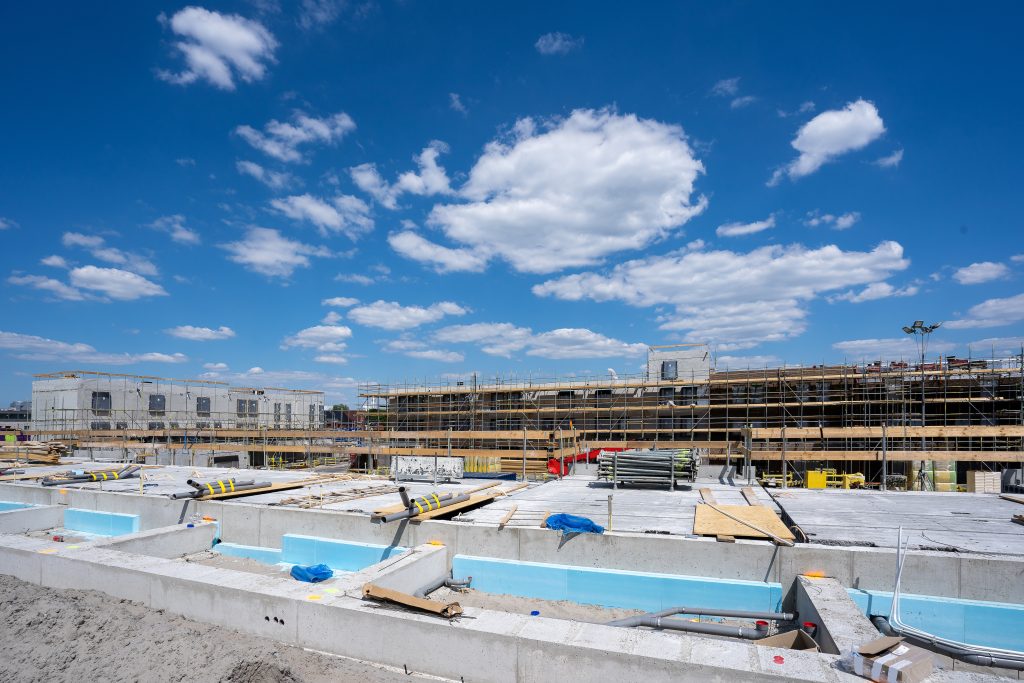
These types of materials all have potential to be recycled and reused later on in different projects. The key is figuring out the best way to manage this debris in the meantime, so it does not simply get hauled off with the garbage. There are some components that are already commonly collected and recovered, like concrete. Usually, this type of recycling already has an established industry profiting from providing these services. Many sites, for example, have designated concrete washout area as well as separated bin for concrete waste. Recycling will help us reduce our waste in the long run as well as reducing the amount of raw material that needs to be processed. For more on ways to reduce your waste impact on site, contact KCI.