
Fish and other aquatic animals are generally a sign of a thriving and healthy local environment. Usually, when we see a bunch of dead fish appear in a water body, we automatically assume that something has poisoned the water and they jump on the blame train and start pointing fingers at anyone and everyone that could be considered the culprit. The truth is, however, that most fish kills are the result of natural events. A fish kill is usually the result of depleted oxygen in the water. This can occur due to a change in weather patterns, temperature changes, amount of plant growth, or a number of other natural factors. There are still things that you should keep in mind when managing ponds, specifically on construction sites.
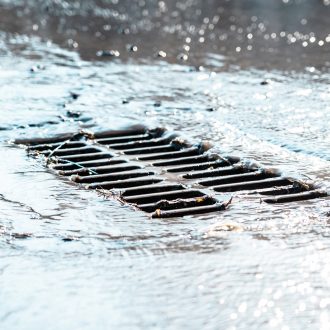
Dirt running off into a waterway or pond resulting in increased turbidity is one way a fish kill can be triggered. Reducing runoff into both onsite ponds and offsite waterways can help ensure the site activity isn’t accidentally responsible for a fish kill. Protecting waterways with the appropriate BMPs can not only prevent sediment runoff, but also accidental spillage of other harmful substances that can be found on site. There have been situations in which chemical runoff has resulted in devastating fish kills. Not only is this bad for the environment, but it can also be pretty devastating to the pocket book. No one wants to be caught paying thousands for a mistake that could have been prevented with the proper planning!
Keep in mind that treating the turbidity in on-site ponds using certain flocculants, such as aluminum sulfate, can also be harmful. Some consider an Alum treatment a poor choice, and once a water body has been treated too many times, the pond bed may have accumulated too much toxicity to ever sustain life. Ensuring you are using something that is not toxic to aquatic life is important. KCi can help point you in the right direction if you are looking for the appropriate treatment for your on-site ponds. The best way to ensure that no fish are harmed during your project, and that your ponds are maintained at a healthy level is to contact your local professionals!