
We know stormwater runoff from construction sites can have a major impact on the quality of local water bodies. Depending on the scope of work, a new construction site may require a Florida Department of Environmental Protection (FDEP), Construction Generic Permit (CGP). The CGP defines several clear expectations prior to starting a construction project. First, a construction site must define, develop, and document a Stormwater Pollution Prevention Plan (SWPPP) and then file for a Notice of Intent (NOI) with the FDEP.
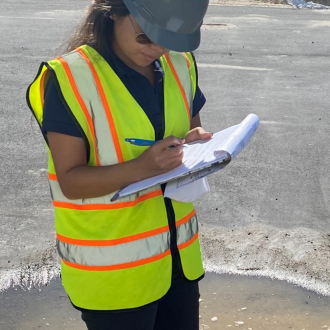
Clearly defined in the SWPPP should be site specific and unique Best Management Practices (BMPs) to ensure erosion, sediment, and other contaminants are controlled. BMPs are outlined as either structural or non-structural. Examples of structural BMPs are silt fence or inlet protection. Non-structural BMPs are considered things such as your SWPPP plan, education initiatives, and performing required inspections.
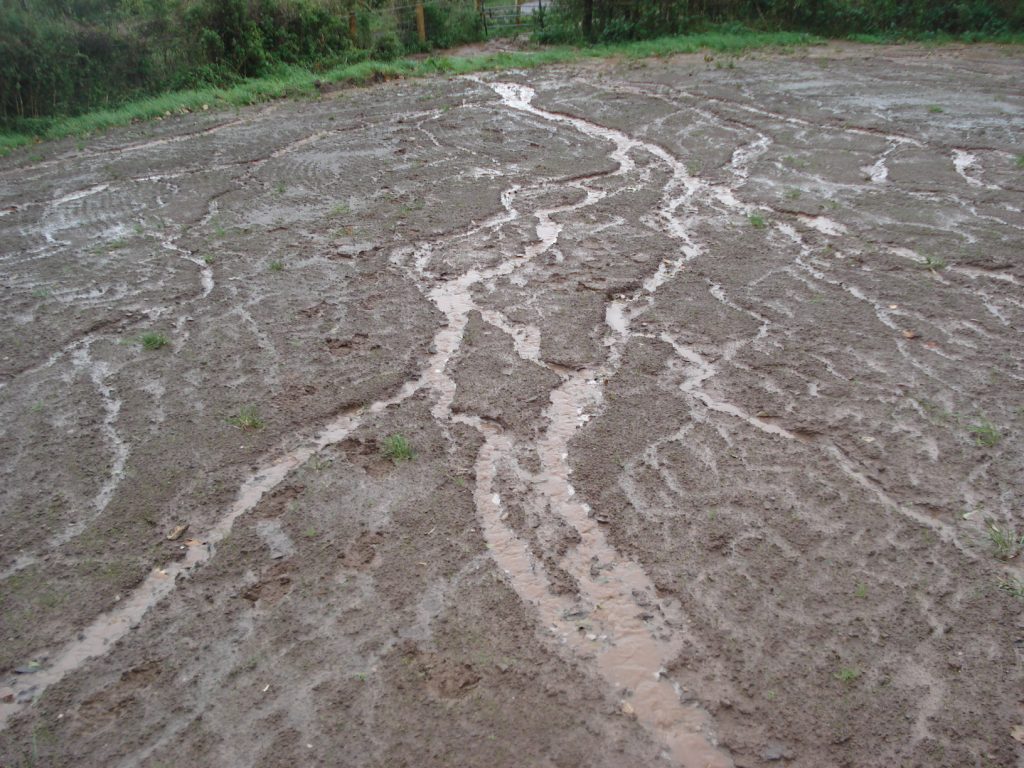
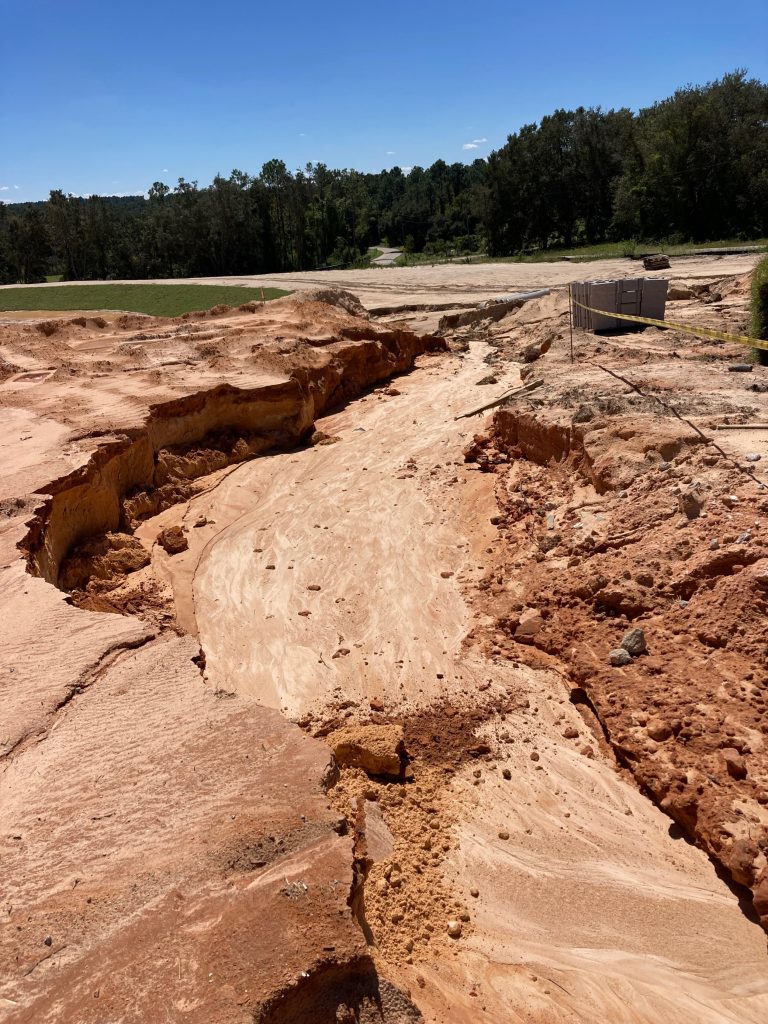
The need for erosion and sediment control measures on construction sites heightens during rain events. While the construction project is certainly a priority, it is equally important to incorporate erosion and sediment control procedures and devices to prevent stormwater volume to generate excessive erosion, sedimentation, and other possible contaminants from leaving a site during a heavy rainstorm.
What are the top five structural BMPs commonly utilized on a typical construction site?
- Silt fence as a perimeter control prevents on site erosion from impacting surrounding areas of a work site.
- Implementing secondary containment for fuel and other harmful liquids used during construction provides an additional line of defense if the primary containment fails.
- Stabilization using vegetation or other measures in areas that are inactive and susceptible to sedimentation/erosion.
- A construction entrance, a temporary stabilized location for construction vehicles, reduces sediment from departing a construction site. A proper construction entrance should be designed to effectively keep mud, sediment, and dirt from leaving your site.
- Inlet protection is the most obvious way that a construction site can ensure that sediment does not reach our waterways.
Do you want to learn more about these best management practices and how they can help reduce your risk? KCI is your stormwater compliance expert capable of consulting with you and helping you plan. Call us today, 888-346-7779.