The Clean Water Act (CWA) establishes the basic structure for regulating discharges of pollutants into the waters of the United States and regulating quality standards for surface waters. Congress enacted the law in response to rampant contamination of waterways and brought about important improvements across the nation. After more than 50 years of progress since the inception of the CWA of 1972, many of the U.S. rivers, lakes and streams still fail to meet water quality standards.
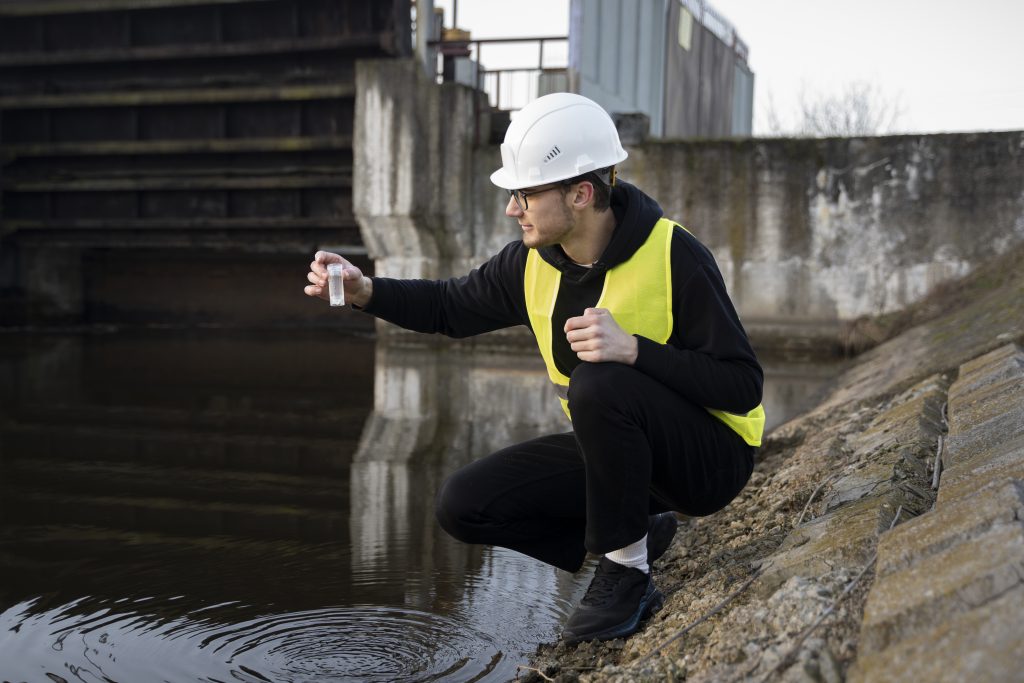
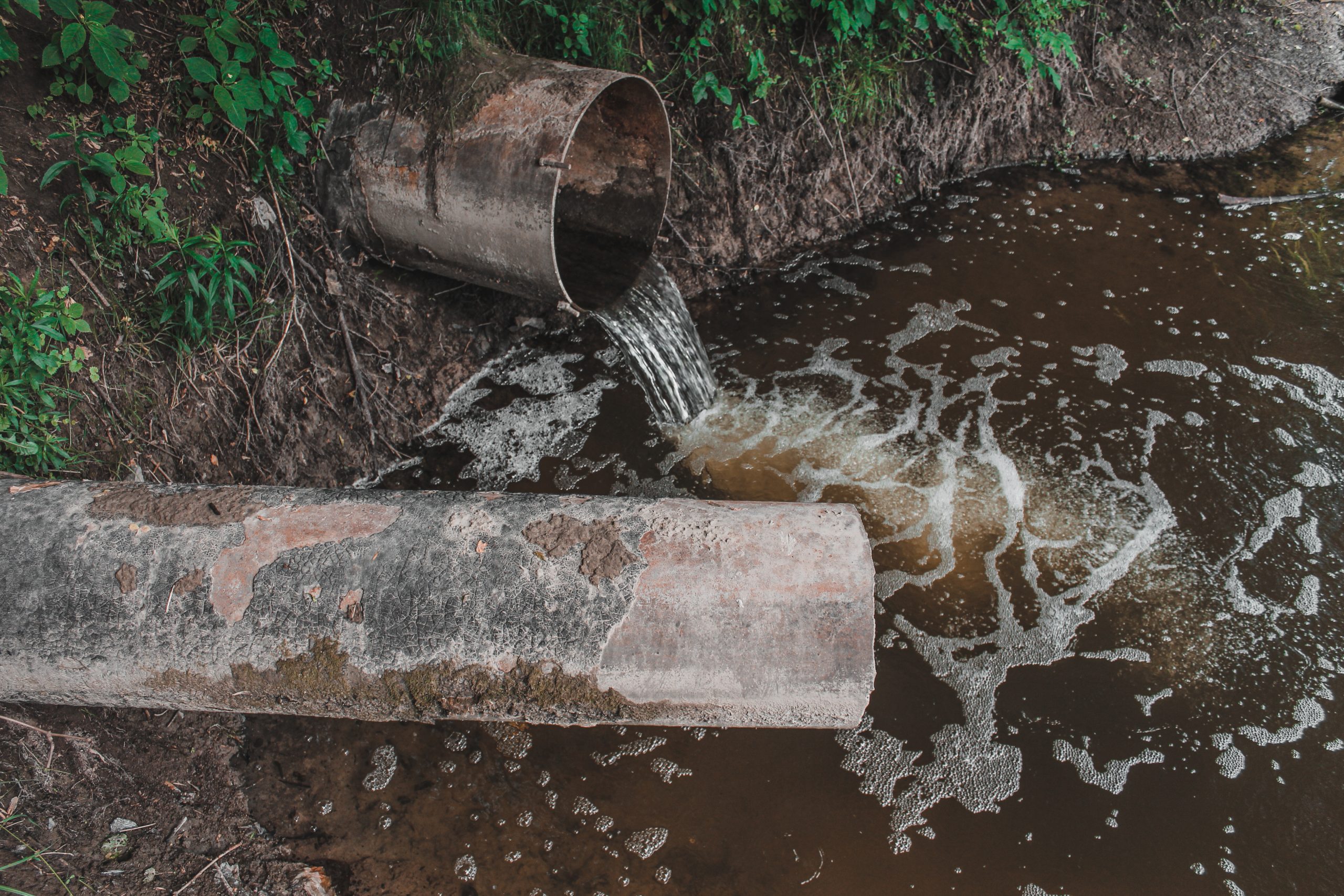
As authorized and created by the Clean Water Act, the National Pollutant Discharge Elimination System (NPDES) is the Program designed to control water pollution by regulating primarily point source pollutant discharges. The NPDES program will contain limits on what can be discharged and may require monitoring and reporting requirements. Unregulated discharges from point sources can result in water pollution and unsafe drinking water and can also dramatically restrict activities like fishing and swimming.
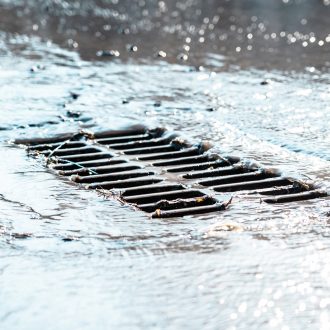
Over time, it became clear by certain studies that stormwater runoff was also a major source of water contamination. Unlike point source discharge, nonpoint source pollution cannot easily be traced back to any single detectable source. Non-point source pollution generally results from land runoff through stormwater and drainage.
Specific to Industrial Stormwater management, there are six specific areas where an industrial facility can become non-compliant with the NPDES program. Discharging storm water without a valid permit and improperly managing the NPDES program, can result in a violation of the Clean Water Act.
- Discharging stormwater without a valid permit.
- Failure to develop a Stormwater Pollution Prevention Plan (SWPPP).
- Failure to properly implement the SWPPP.
- Recordkeeping deficiencies.
- Effluent limitation violations, if applicable.
- Failure to submit monitoring reports and inaccurately collecting and monitoring stormwater discharge.
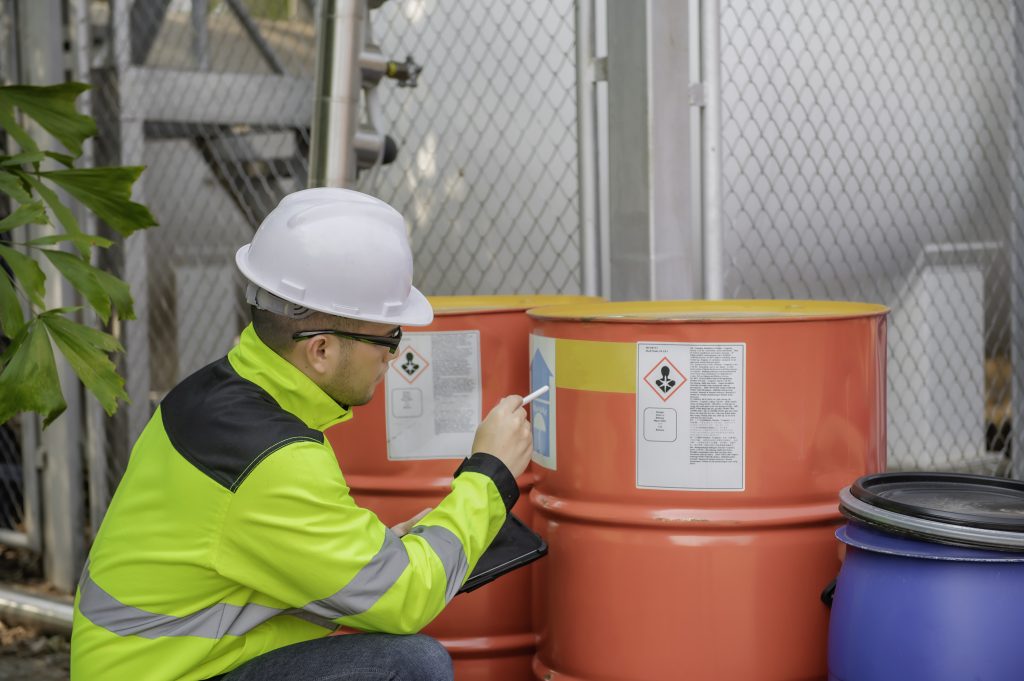
There are various methods used to monitor NPDES permit conditions. Under the Florida’s Multi-Sector Generic Permit (MSGP) industrial program there are specific criteria outlined that may require the facility to sample its discharges and notify EPA or the state regulatory agency of the results. KCI is an expert in Industrial stormwater compliance and management. We are trained to effectively help you monitor and evaluate stormwater discharge. Contact us today, 888-346-7779.