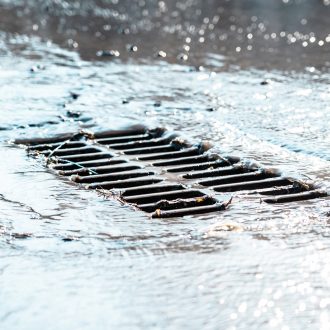

Improper disposal of paint, concrete, stucco, and their associated wash water on construction sites can lead to serious regulatory violations, costly fines, and avoidable environmental harm. Under EPA requirements and the Florida Construction General Permit (CGP), construction operators must prevent pollutants—such as paint residues, concrete slurry, stucco washout, and other high-pH or sediment-laden materials—from discharging into stormwater systems. Anything released into gutters, ditches, or storm drains can quickly reach nearby lakes, rivers, or coastal waters because stormwater runoff is typically untreated, unlike wastewater. These materials can significantly degrade water quality; paint pigments and metals, as well as concrete and stucco wash water with elevated pH and fine particulates, posing serious risks to aquatic life, wildlife, and public health.
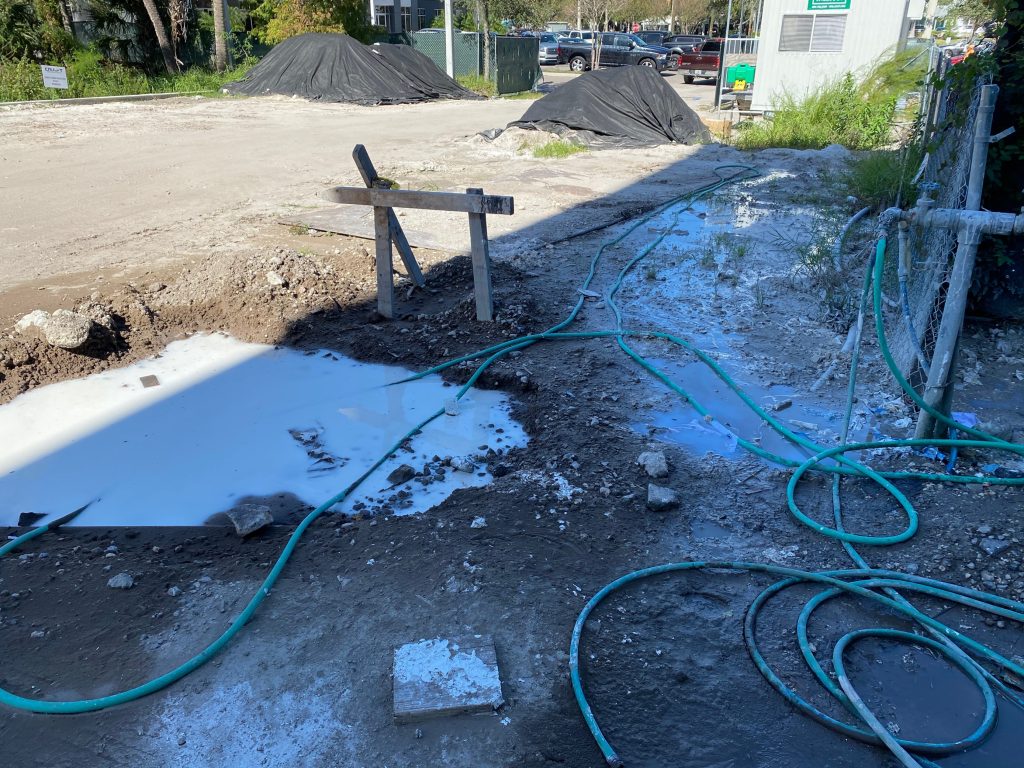
Although managing these materials can be challenging, implementing proper Best Management Practices (BMPs) is a critical compliance responsibility. Effective washout and disposal practices for paint, concrete, and stucco not only protect water quality, but also reduce liability, save time and money, and help keep projects in compliance. Materials should be stored securely and covered when not in use, and water use during equipment cleaning should be minimized. Wash water from paint, concrete, or stucco activities must be contained and disposed of with approved liquid wastes in accordance with applicable Safety Data Sheets (SDS) or material guidance. Wash water should never be discharged to the ground, ditches, or stormwater inlets. Solid materials—such as rollers, brushes, trowels, drop cloths, hardened concrete, stucco debris, and empty containers—should be allowed to fully cure or dry before disposal in designated solid waste containers.
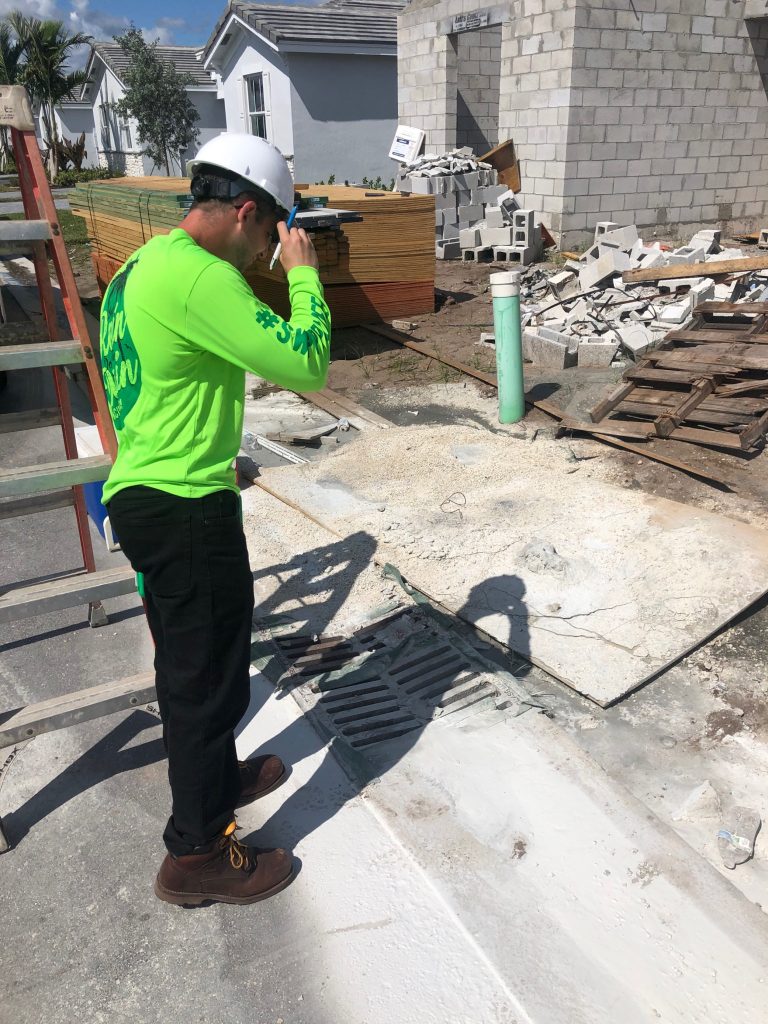
Many construction sites use mobile washout systems designed for paint, concrete, and stucco operations to capture and contain wash water. When these systems are not available, contractors can construct temporary washout areas using impermeable plastic or vinyl liners to prevent wash water and residues from infiltrating soil or being carried off by runoff. These containment areas must be properly maintained, covered when necessary, and emptied on a regular basis. Under the site’s Stormwater Pollution Prevention Plan (SWPPP), permittees are responsible for providing effective controls that eliminate unauthorized discharges of these pollutants.
Washout systems are most effective when clearly labeled and supported by visible signage. Just as important is educating crews and subcontractors on proper disposal procedures, ensuring everyone understands how improper washout practices can put the entire job site at risk.
Proper containment and disposal of paint, concrete, and stucco waste is essential to protecting water quality and maintaining a compliant construction site. If you have questions or need support implementing effective washout BMPs, KCI can help keep your project clean, compliant, and environmentally responsible. To learn contact KCI for a consultation! Call us today at 888-346-7779.