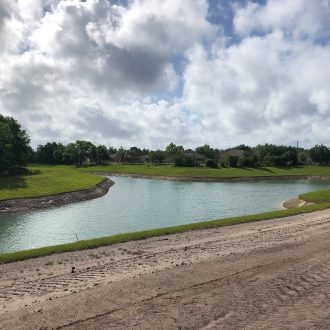

It goes by many other names; shot rock, rubble, rock armor, but it all serves a similar function. When we see places like shorelines, stream banks, or culverts lined with jagged rocks, a lot of times we don’t realize that it’s actually serving a purpose. The riprap is used to help stabilize areas that otherwise may experience runoff or erosion. Problem areas such as streambeds and streambanks, bridge abutments, drainage structures, culvert inlets and outfalls, and storm drains can be armored using the riprap.
We see rip rap in both construction and landscaping applications. The type of rock is crushed and screened for impurities before being placed, to ensure that the gravel itself does not cause any bad runoff into the body of water it is placed to protect.
When placing your riprap, there are some useful tips you can consider:
- Different sizes and shapes are important, allowing the rocks to create an interlocking system.
- Use only durable rock types. The riprap should be resistant to freezing and thawing cycles
- Put down a geotextile membrane first to prevent the soil from flowing through the riprap layer.
- Your riprap layer should extend to the water’s edge, and should cover the entirety of any bends or turns for maximum coverage and effectiveness
Slopes that are too steep are not a good place for riprap. 2:1 is the ideal slope. Any more than this would result in the riprap falling down the slope.The wrong application can actually create additional problems and make the situation worse. One important thing to consider is that even though riprap can be an effective tool, it needs to be used in the right circumstances. Riprap is often more expensive and does not provide the same habitat enhancements as vegetative cover does. In the right areas, however, riprap is a fantastic BMP and can function as a very good erosion deterrent.
Do you have a problem area that may benefit from the use of riprap? Be sure to contact us for a consultation. Our environmental compliance and stormwater professionals are eager to assist in finding the proper solution for your site.