There are over 7.6 billion tons of industrial solid waste generated each year. Properly disposing and managing this waste is key to protecting human health and the environment. With this in mind, it is important to recognize the importance of managing these sites correctly, so industrial waste does not find its way out of designated areas where it can be potentially harmful. Although we have touched on the industrial SWPPP briefly before, there is much more to be covered in such a broad sector.
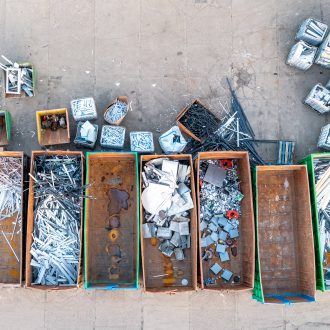
Industrial waste from C&D (construction and demolition) sites do not receive hazardous waste or industrial solid waste, unless those landfills meet certain standards and are permitted to receive such wastes. Other types of C&D (construction and demolition) materials can include: concrete, wood, asphalt, gypsum, metals, bricks, glass, plastics, salvaged building components, as well as trees, stumps, earth and rock from clearing sites. Minimizing contamination within industrial sites can be more successful with proper planning. Sites considered for industrial construction should be avoided in vulnerable locations with unstable soils and regions at risk for subsurface movements. Industrial sites should also allow buffer zones between waste management units and nearby land use.
When considering or dealing with Industrial from C&D good planning is key in order to develop a partnership plan with those who will be affected. Community involvement can be particularly important in order to ensure pollution prevention and community awareness. Pollution prevention should be key when dealing with industrial waste and there are measures that should be taken to reduce risk. Such measure as; source reduction, recycling, reusing, and alteration of chemical composition of industrial can be helpful in minimizing contamination within the industrial sites.
To assure surface water protection NPDES (National Pollution Discharge Elimination System) demand site-specific effluent limitation standards, site-specific compliance monitoring, reporting requirements, and compliance schedules that must be met. Exposure to contaminated waste from industrial sites can result in adverse health effects due to chemical exposure. It is important to comply with EPA standards to assure the community is safe from chemical toxicity which can have serious adverse health effects on the surrounding community and wildlife. KCI offers a variety of services in industrial compliance and would love to assist facilities with any needs than they may have. Be sure to contact us today to discuss how we can help you with your industrial compliance needs.